Electronic Waste Expected to Triple by 2030 Amid Surge in Server and Data Center Upgrades

Rapid Expansion of Electronic Waste
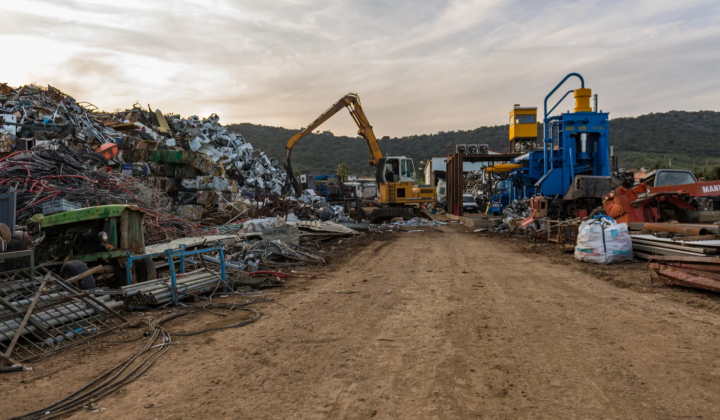
According to НВ — Техно: Over the next 25 years, discarded computer hardware is projected to triple, resulting in a dramatic increase in toxic electronic waste. According to the Basel Action Network, an international environmental group, the volume of e-waste will be so vast that it could encircle the Earth six times using standard shipping containers. The hazardous nature of this waste stems from the chemical makeup of servers, which contain mercury, lead, cadmium, and persistent chemical compounds. Alarmingly, only 20% of electronic waste is recycled safely, while the majority either decomposes onsite or is illegally shipped to poorer nations.
Data Center Construction and Environmental Impact
In the United States, nearly 5,000 data centers are either under construction or in planning stages, driven by growing demands for artificial intelligence computing power. By 2030, these facilities will require approximately 100 gigawatts of new energy capacity. Servers within these centers are replaced every 2 to 5 years, and by 2030, discarded equipment is expected to generate up to 13 million tons of waste annually.
The reliance on fossil fuels to power data centers poses significant public health risks. In the U.S. alone, this energy consumption could lead to hundreds of thousands of asthma cases yearly and over a thousand premature deaths. Worldwide spending on new data center construction over the next five years may approach $7 trillion-a sum experts estimate could eliminate global hunger for 75 years. These figures highlight the urgent need to address the environmental consequences of expanding technological infrastructure.
The surge in electronic waste combined with the rapid growth of data centers presents serious environmental challenges. Implementing effective recycling and waste management strategies is increasingly critical, as technological advances bring not only new opportunities but also complex ecological problems. Balancing technological progress with environmental sustainability is essential in light of the expected rise in electronic waste generation.
As the demand for data centers continues to escalate, their reliance on natural gas is projected to significantly increase, raising concerns about energy prices and emissions. This trend highlights the interconnectedness of energy consumption and environmental impact, further emphasizing the need for sustainable practices in the tech industry. For a deeper understanding of how these facilities are expected to change energy use and affect the environment, read more about the growing natural gas demands of US data centers.

Read also