Fidesz Keeps Orbán as Leader After Crushing Election Defeat

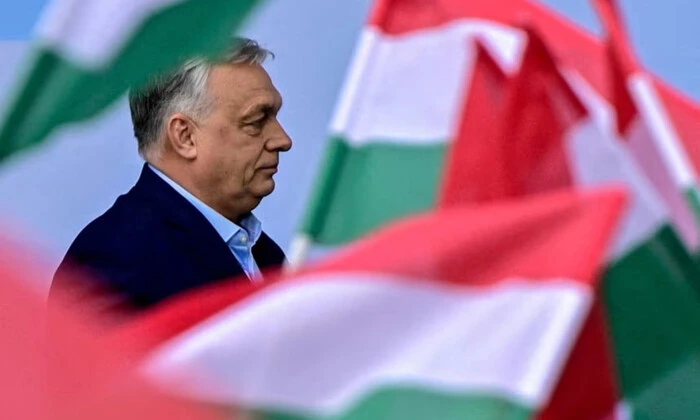
Viktor Orbán Re-elected as Head of Fidesz
According to Главком: At a party congress held on June 13, Fidesz re-elected Viktor Orbán as its leader. The 62-year-old former prime minister secured 729 votes out of 737 delegates. Running unopposed, his re-election underscores the party's continued loyalty to its longtime leader, even as Fidesz now finds itself in opposition.
Fidesz suffered a major defeat in the April 12 elections, losing to the center-right Tisza Party, which won a two-thirds constitutional majority in parliament. Fidesz's support plummeted to just 17%, a sharp drop from the 39% it secured in the previous election. Meanwhile, Tisza's popularity surged to 55%.
Led by current Prime Minister Péter Magyar, the Tisza Party has proposed a constitutional amendment-the Sixteenth Amendment to Hungary's Fundamental Law-to limit the prime minister's tenure to two terms. The proposal was introduced by lawmakers Márton Melletey-Barna and István Hantosi.
Prime Minister's Stance and Fidesz's Future
Prime Minister Péter Magyar has announced sweeping salary cuts for top political figures. His own monthly income will be 3.8 million forints, less than half of what Viktor Orbán previously received. Commenting on the election results, Orbán stated:
“I take full responsibility for the electoral loss, but I will never give up.”
He also emphasized that
“after 16 years in power, the party needs internal changes to become an effective opposition force and regain its readiness to govern the country.”
Orbán's re-election as Fidesz leader may signal the party's attempt to maintain unity and stability amid a political crisis. However, given the scale of its recent electoral defeat, Fidesz will need to adapt to a new political reality if it hopes to rebuild voter support. The reforms proposed by Prime Minister Magyar, particularly the term-limit measure, could significantly reshape Hungary's political landscape in the years to come.
The recent electoral defeat of Fidesz has significant implications not only for Hungary's domestic politics but also for its foreign relations. As the party navigates this new landscape, understanding how this shift affects Ukraine becomes increasingly important, especially in light of the changing dynamics in Eastern Europe.

Read also