Ukrainian Railways' 30% Tariff Hike Threatens Farmers with Heavy Losses

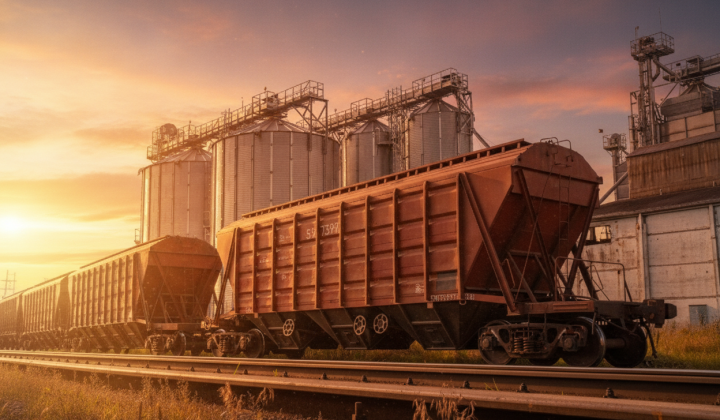
Freight Rate Increase by Ukrzaliznytsia
According to Главком: A proposed 30% hike in freight tariffs by Ukraine's state railway operator, Ukrzaliznytsia, has sparked alarm in the agricultural sector, as it would impose significant additional costs on producers. Grain-growing agribusinesses are expected to bear the brunt of the impact. Market participants estimate the extra burden at between $4.6 and $7 per ton of grain.
Pavlo Martyshev noted that 'it is already possible to speak of transport costs rising by several dollars per ton of product.'
Economic Fallout from the Tariff Increase
The agribusiness holding Kernel projects additional expenses of roughly $4.6 per ton, while the Ukrainian Agribusiness Club (UCAB) puts the figure at $5–7 per ton.
Martyshev added that 'this discrepancy in estimates stems from differing calculation methodologies.'
Wheat and corn producers are the most vulnerable to shifts in railway logistics costs and could face substantial financial losses.
Beyond direct costs to farmers, the 30% tariff increase is expected to have severe repercussions for Ukraine's broader economy. According to assessments, it could lead to:
- A loss of UAH 96 billion in annual GDP;
- A reduction of Ukrzaliznytsia's freight base by 27 million tons;
- A drop in export revenue of $2.4 billion;
- Budget revenue shortfalls totaling UAH 36 billion.
Given these projected outcomes, industrial, transport, and sectoral associations have appealed to First Deputy Prime Minister Yuliia Svyrydenko and Head of the Presidential Office Kyrylo Budanov, urging them to block the tariff hike and stressing the need for stability in agriculture and the national economy.
The planned tariff increase by Ukrzaliznytsia underscores serious challenges for Ukraine's agricultural sector, which is already under pressure from global economic shifts and domestic issues. Rising grain transportation costs could significantly undermine the competitiveness of Ukrainian agribusinesses in international markets, as higher prices may dampen demand for Ukrainian goods. If the tariff increase is implemented, farmers may be forced to raise their product prices, which would also affect consumers.
The proposed increase in freight tariffs by Ukrzaliznytsia is not an isolated incident, as another significant tariff hike of 45% has been suggested, raising further economic concerns across various sectors. This trend indicates a growing pressure on logistics costs that could exacerbate the challenges faced by farmers and the overall agricultural landscape in Ukraine.

Read also