Iran's Power Struggle: Why Escalation Prevailed Over a Potential Policy Shift

Iran's Internal Political Landscape
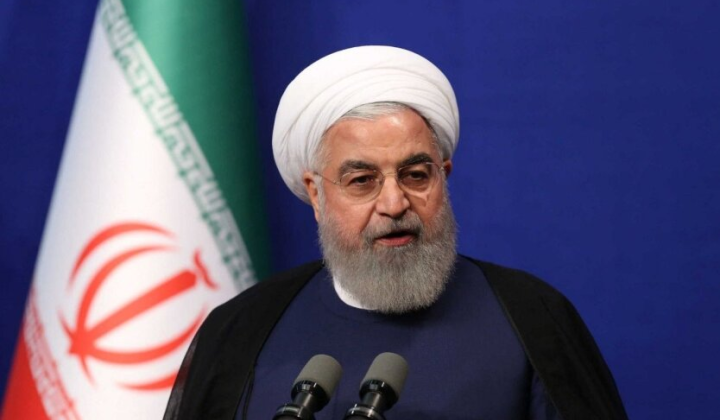
According to ХВИЛЯ: An airstrike that eliminated Iran's Supreme Leader created a brief power vacuum, sparking internal debate about a possible shift in the nation's foreign policy. Moderate factions, led by National Security Council head Ali Larijani and President Masoud Pezeshkian, put forward three alternative candidates for the leadership role. These included former President Hassan Rouhani, who led the 2015 nuclear negotiations; Hassan Khameini, the grandson of the revolution's founder; and the cleric Ali Reza Arafi.
Potential Shifts in Foreign Policy
In a podcast for The New York Times' The Daily, journalist Farnaz Fassihi detailed these internal discussions. She noted that
"they argued that this is truly an extraordinary moment in Iran. Perhaps it is time to give the regime a new face and select a candidate who would at least signal to the world and the Iranian public that we are considering softening our policies."
It was also stated that all three candidates would have signaled, to varying degrees, a move away from the hardline revolutionary ethos that has dominated Iran since 1979, as emphasized by Michael Barbaro.
Despite these proposals, the Islamic Revolutionary Guard Corps (IRGC) chose a path of escalation and backed the radical son of the deceased ayatollah. According to Farnaz Fassihi,
"they are loyal to the ideology of the Islamic Republic, but have different shades of how to implement it pragmatically and practically."
This outcome highlights the tense political situation in Iran and confirms the existence of deep divisions among the country's various political forces. The IRGC's decisive role underscores its immense power within Iran's complex political system.
Events in Iran are likely to have significant repercussions for regional and international politics, as the country remains a pivotal player in the Middle East. Any change in leadership or foreign policy direction could affect Iran's relations with other states, particularly the U.S. and European nations, as well as influence conflicts in Syria and tensions with Saudi Arabia. The internal struggle between moderates and hardliners may also lead to new protests or societal shifts, depending on the course charted by the new leadership.
The recent developments in Iran's political arena illustrate a stark contrast to the previous leadership dynamics. As the country grapples with its future direction, the shift towards radical governance following Khamenei's death has significant implications for both domestic and foreign policy. Understanding these changes is crucial for grasping the broader impact on regional stability and Iran's international relations.

Read also