A projected 80% surge in farmland values runs contrary to the evidence.

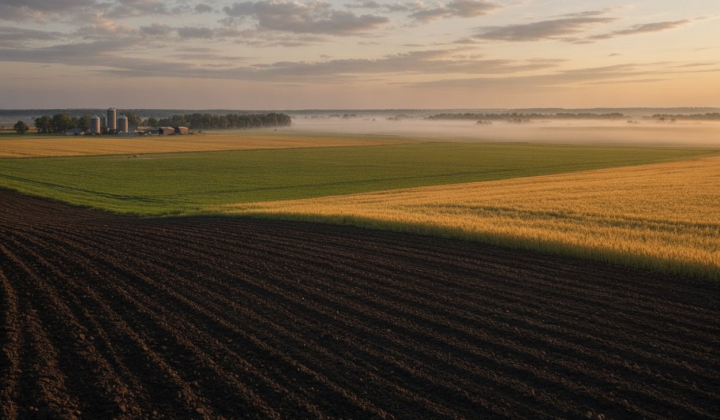
Forecasts for Ukraine's agricultural land market
According to 5 канал — Економіка: As of 2026, the general expectation among Ukraine's land-investment participants is that farmland will become significantly more expensive. Oleksandr Chorny, co-founder of the investment platform Zeminvest, says Ukrainian farmland could appreciate by as much as 80% in dollar terms within the next three years. Similarly optimistic valuations are being promoted by speakers associated with 'Tvoie Kolo', Zeminvest, 'Dobrozem', KupiPai and the 'Gruntovno' investment fund. After five years, however, the market's actual performance has been much more modest. For international readers, the market is still young: corporate buyers were only allowed in from 2024.
The Ukrainian land market in practice
When legal entities entered the land market in 2024, there was none of the expected frenzy or shortage of plots. Since then, land has appreciated by an average of just 5% per year in dollars, and the average yield on land assets has been roughly 5%. Selling a plot can drag on for years, and anyone who needs to exit quickly must accept a discount from the market price. That points to low liquidity.
Earlier forecasts of annual rent increases of 10-15% and returns above 10% in foreign currency also failed to materialize. The war is cited as the main factor behind the market's slower-than-expected evolution, as farmers concentrate their capital on preserving their operations instead of buying land. Ukraine also lacks the kind of state budget support for agriculture seen in the EU's large direct subsidy programs, which contributed to the growth of Poland's land market.
In short, Ukraine's agricultural land market is characterized by:
- slow growth
- low liquidity
- modest rental rates
UNIAN advises that price-growth forecasts should be assessed with the business interests of the people making them in mind. This situation highlights the challenges facing the agricultural sector amid war and the absence of adequate financial support, which could affect the investment climate going forward.

Read also