Sweden's Intelligence Warns Russia Will Remain a Threat Even After Putin's Era

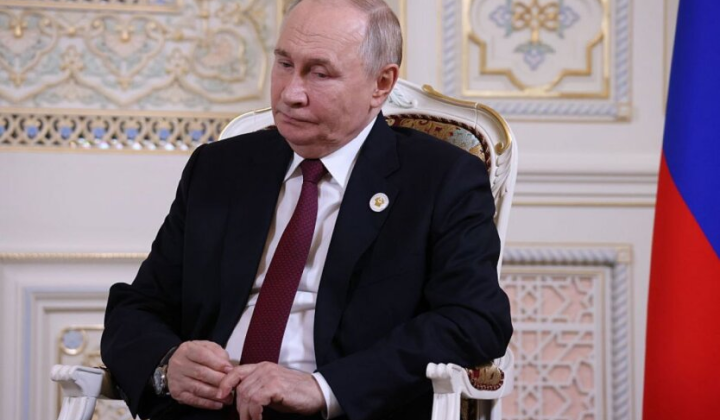
Russia's Enduring Danger to Neighboring Countries
According to ХВИЛЯ: Sweden's military intelligence chief, Thomas Nilsson, has stated that the threat Russia poses to its neighbors will persist even after President Vladimir Putin leaves office. Speaking during an interview aboard a Swedish warship near the island of Gotland in the Baltic Sea, Nilsson emphasized that Stockholm views its confrontation with Moscow as strategic, deep-seated, and long-lasting.
“We do not see this crisis as temporary. Russia has chosen its path, and there is no turning back” - Thomas Nilsson
Nilsson noted that political opposition inside Russia has been effectively dismantled through exile, imprisonment, or assassination. 'There is no one who can turn public discontent into a political alternative,' he added. Meanwhile, according to Nilsson, Moscow plans to station military forces near NATO borders once the war in Ukraine ends. He also cautioned that 'we do not expect any dramatic shifts' in Russian policy going forward.
The Situation in Ukraine and Sweden's Response
Sweden, the newest member of NATO, has called for increased support for Ukraine and the imposition of fresh sanctions against Russia. In this context, Nilsson highlighted that Russia's economy is stalling and that officials are manipulating statistics. Ukrainian drone strikes on Russian oil refineries have led to fuel shortages and long queues at gas stations.
Scandinavian broadcasters have reported satellite imagery showing Moscow's military buildup near NATO's eastern frontier. Russian authorities claim this infrastructure is defensive in nature. Putin previously criticized Sweden and Finland's NATO accession, threatening to deploy forces in retaliation.
“Both Finland and Sweden have lost the advantages of their neutral status” - Vladimir Putin
Putin's current term ends in 2030, and he is eligible to run for another six-year term, which would conclude when he is 83 years old.
The situation surrounding Russia and its relations with neighboring states remains tense, with no sign of the threat from Moscow diminishing. Nilsson's comments reflect the deep concern felt by Baltic and Scandinavian nations about regional security, underscoring the need for continued cooperation between NATO and the European Union amid growing military risks. It is crucial for the international community to sustain its support for Ukraine and respond firmly to Russian actions in order to prevent further escalation of the conflict in Europe.
In light of the ongoing tensions, it is crucial to consider how other nations perceive the threat from Russia. For instance, Poland's intelligence has issued warnings regarding potential Russian provocations along NATO's eastern border. This highlights the broader regional implications of Russia's actions and the need for collective vigilance. To understand more about these developments, see how Poland is preparing for possible challenges related to Russian maneuvers.

Read also