How Foldable Smartphones Are Reshaping the Mobile Device Market: Benefits, Drawbacks, and Target Users

Key Characteristics of Foldable Smartphones
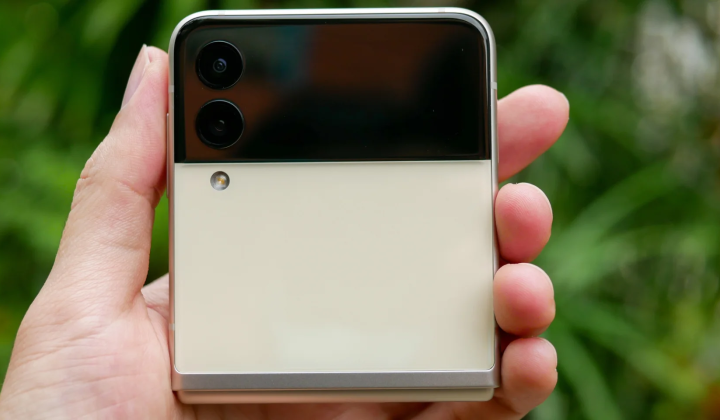
According to НВ — Техно: On September 19 at 04:45, the news highlighted the unique features of foldable smartphones, examining their advantages, limitations, and intended audience. The article compares these innovative devices with traditional slab-style phones amid the latest market trends. Foldable smartphones primarily come in two designs: "book-style" models that unfold into 7 to 8-inch tablets, and "clamshell" types that fold vertically in half.
Pros and Cons
Foldable phones provide users with the ability to multitask seamlessly, such as running several apps simultaneously-ideal for video calls or taking notes without switching screens. The clamshell format offers a compact form factor, folding down to half the size of a standard phone. Thanks to flexible hinges that lock at various angles, these devices can function like a mini tripod, expanding their usability.
The external display on foldables allows for quick access to messages, notifications, and music controls without fully opening the device. However, the flexible screens are made from multilayer polymers, which are softer than traditional glass and more prone to scratches. The crease along the fold cannot be completely eliminated; it remains tactile and visible under certain lighting. Additionally, foldable smartphones tend to be thicker and heavier when closed compared to regular models. Their batteries are typically split into two sections or reduced in capacity due to the complex hinge mechanism.
Repairs involving the foldable hinge and screen are more expensive and challenging than those for conventional smartphones. These devices are best suited for users who travel frequently or work extensively with documents and spreadsheets on the go. Conversely, those prioritizing maximum durability, drop protection, and top-tier cameras might prefer to stick with traditional smartphones for now.
The foldable smartphone market is experiencing rapid growth, highlighted by Apple's recent high-profile launch of its first foldable model, underscoring the rising consumer interest in this category. While foldables offer a fresh user experience and considerable potential, their drawbacks remain significant factors to consider when choosing between foldable and traditional smartphones.
The increasing appeal of foldable phones signals a shift in consumer preferences toward innovation and enhanced functionality. As technology continues to evolve, manufacturers strive to meet users’ demands by delivering new features that boost convenience and productivity. Ultimately, deciding between foldable and classic smartphones depends on individual needs and lifestyle preferences, weighing the benefits against the inherent limitations of each design.
As the market for foldable devices continues to evolve, Apple has recently introduced its first foldable smartphone, showcasing dual OLED screens and setting the stage for what we can expect in the foldable segment in 2026. This development further emphasizes the growing competition and innovation in the foldable smartphone arena, making it essential for consumers to stay informed about the latest advancements and options available.

Read also