Ukraine Faces a Crisis of Values as Competing Views on Justice Divide Society, Warns Sociologist

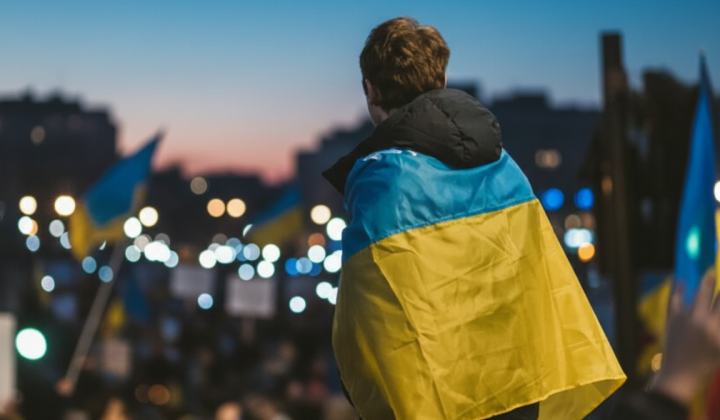
Society's Clash Over Justice Signals a Deeper Values Crisis
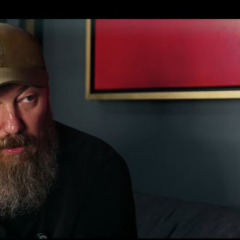
According to ХВИЛЯ: Sociologist Andriy Yeremenko, speaking on a program hosted by political scientist Yuriy Romanenko, has warned that Ukraine is experiencing a crisis of values fueled by fundamentally different understandings of justice during wartime. According to him, this growing divide is sparking tensions between various social groups. For English-speaking readers, this analysis sheds light on internal societal pressures that could shape Ukraine's post-war recovery and political stability.
Key conflicts are emerging between military families and civilians, as well as between generations-particularly pensioners and employers. Yeremenko noted that public expectations for a fair distribution of the war's burdens have reached an all-time high. The demand for justice, he explained, is approaching one hundred percent, yet the criteria for what constitutes justice are mutually exclusive. As he put it,
“The demand for justice is now rapidly approaching one hundred percent. But people understand this very justice in completely different ways.”
Real-Life Examples Highlight the Growing Rifts
Yeremenko illustrated the problem with concrete examples:
“Take a woman whose husband volunteered in 2022 and has since ruined his health. From her perspective, it's unfair that there are plenty of men around who are simply hiding and don't want to go fight.”
In contrast, he added:
“Now take another woman whose family is barely making ends meet. From her point of view, mobilizing that man is categorically and absolutely unfair.”
The generational conflict also plays out in financial terms, especially between pensioners and employers. Yeremenko emphasized that
“from the perspective of the workers from whom this pension contribution is taken, it is also absolutely unfair.”
He noted that under current law, an entrepreneur will never receive a decent state pension.
“I simply read the pension legislation carefully and I know that I will never receive a pension,”
the sociologist said.
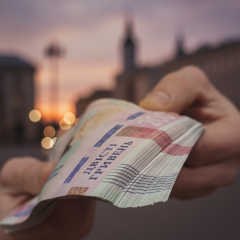
He further pointed out that the tax burden on salaries is nearly forty percent, with large military levies added on top. Salaries in the army are often just twenty thousand hryvnias, which further fuels social tension.
Yeremenko believes that resolving these conflicts is only possible through democratic elections and parliamentary debates.
“All of this must be resolved exclusively through normal democratic elections,”
he stressed, highlighting the importance of discussing these issues in parliament.
“They come to non-interference of the parties through long parliamentary discussions and complex compromises,”
he added, noting that society is returning to a practice of loud public debates, which is normal for European countries.
Ultimately, the main challenge for post-war Ukraine remains finding a compromise between the polarizing views of different social groups. Social tension is rising against a backdrop of economic hardship and expectations of bad news, and Yeremenko argues that an open, democratic parliament is the only effective tool for resolving these contradictions. It is crucial for society to actively engage in dialogue and jointly seek solutions to overcome this crisis of values, which could foster stability and development in the future.
The complexities of societal divisions in Ukraine are further explored in another insightful piece, which discusses how the label draft dodger fails to encompass the nuanced realities faced by individuals during this tumultuous period. Understanding these perspectives is crucial for grasping the broader implications of the ongoing values crisis and its impact on national unity.

Read also