Scorching Heat Up to +38°C Set to Hit Ukraine Starting June 29

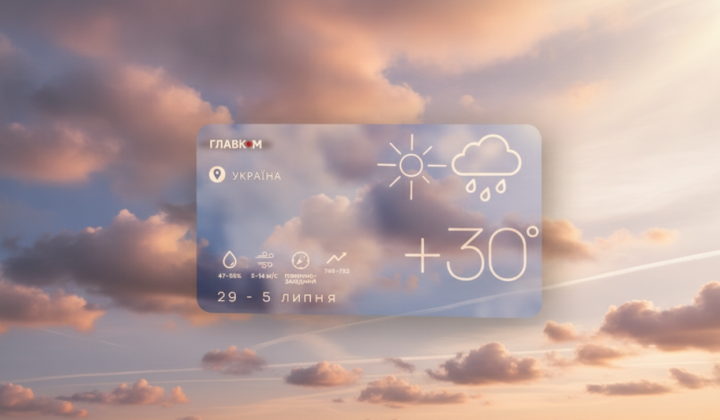
Ukraine Weather Outlook: June 29 to July 5
According to Главком: A weather forecast for Ukraine covering June 29 through July 5, released by Glavcom and sourced from the Ukrainian Hydrometeorological Center, signals a significant temperature surge. Daytime highs are expected to range from +30°C to +35°C, with certain areas-particularly in the southern and western regions-potentially reaching up to +36°C. Throughout this week, most of the country can anticipate dry and sunny conditions, though brief rain showers and thunderstorms may occur on some days. This forecast is especially relevant for travelers and outdoor workers planning activities during the peak of summer.
Day-by-Day Breakdown
-
Friday, June 29: In northern Ukraine, daytime temperatures will hover between +32°C and +34°C, while the south sees readings of +34°C to +37°C. Western areas will warm up to +35°C to +37°C, whereas the east stays cooler at +29°C to +31°C. Central regions will record +33°C to +35°C, and Kyiv will match that range with +33°C to +35°C.
-
Saturday, June 30: The north climbs to +33°C to +35°C, though light rain is possible. The south heats up further to +36°C to +38°C, and western areas settle at +34°C to +36°C. The east and center remain steady at +29°C to +31°C and +33°C to +35°C, respectively, with Kyiv again at +33°C to +35°C.
-
Sunday, July 1: Northern temperatures drop to +29°C to +31°C, while the south holds at +32°C to +34°C. Western regions fluctuate between +31°C and +33°C, with possible light showers, as the east reaches +32°C to +34°C. Central Ukraine will see +30°C to +32°C, and Kyiv will be in the same bracket at +30°C to +32°C.
-
Monday, July 2: The north rises to +31°C to +33°C, but the south cools to +30°C to +32°C. Western areas experience a notable dip to +21°C to +23°C, accompanied by possible light rain. The east and center remain at +29°C to +31°C and +30°C to +32°C, respectively, with Kyiv forecast at +29°C to +31°C.
-
Tuesday, July 3: Northern temperatures fall to +25°C to +27°C with moderate rain. The south stays at +30°C to +32°C. Western regions drop sharply to +20°C to +22°C, again with possible light showers. The east holds steady at +30°C to +32°C, while the center sees +24°C to +26°C with light rain. In Kyiv, daytime highs will be +30°C to +32°C.
-
Wednesday, July 4: The north declines further to +26°C to +29°C, while the south remains between +30°C and +34°C. Western areas will record +24°C to +28°C, with brief showers and thunderstorms. The east and center expect +29°C to +32°C and +27°C to +30°C, respectively, along with possible short-lived rain. Kyiv’s daytime temperature will be +26°C to +28°C.
-
Thursday, July 5: Northern temperatures drop to +23°C to +26°C, with brief showers and potential thunderstorms. The south will see daytime highs of +29°C to +33°C. Western areas range from +21°C to +25°C with short rain spells, while the east sits at +26°C to +30°C with possible rain and storms. Central Ukraine will experience +24°C to +28°C and possible brief showers, and Kyiv will have +25°C to +26°C with short rain and thunderstorm chances.
Overall, the first week of July in Ukraine is shaping up to be hot with intermittent precipitation on certain days. This weather pattern could significantly impact the agricultural sector, as both high temperatures and rainfall will influence crop yields and soil conditions. Additionally, the fluctuating temperatures and heatwaves pose health risks, so residents are advised to stay hydrated and limit sun exposure during peak hours.
As the summer heat intensifies, it's essential to stay informed about the weather patterns across Ukraine. For those interested in understanding how the recent temperature fluctuations might impact upcoming days, a look at the forecast on June 11 offers valuable insights. This earlier report details conditions that could serve as a comparison to the upcoming surge in heat, highlighting the changing climate patterns in the region. You can read more about it here.

Read also