Mosquito-Borne Disease Outbreaks Surge Across Europe Amid Deadly Heatwave

Europe's Heatwave Crisis: Key Details
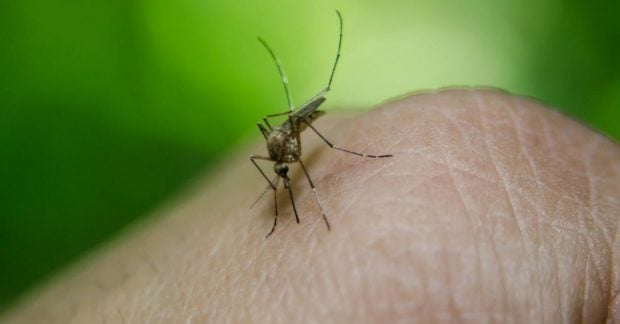
According to УНІАН — Туризм: Popular European holiday destinations are facing a sharp rise in mosquito-borne illnesses. The scorching temperatures have created ideal breeding conditions for insects carrying viruses such as dengue, chikungunya, and West Nile fever. In countries favored by British tourists-including Spain, France, Italy, Portugal, and Greece-nearly a thousand suspected cases of these diseases have been reported.
Country-by-Country Breakdown
Italy has recorded 38 deaths from West Nile fever, with confirmed infections in Florence and Verona. Three additional cases of the virus have been reported in Romania and North Macedonia. First identified in 1937 in Uganda’s West Nile region, the virus is now spreading more aggressively due to longer heatwaves that extend mosquito activity seasons and heighten outbreak risks, warns Professor Rachel Lowe from the Global Health Resilience Group at the Barcelona Supercomputing Center.
France has seen 19 suspected dengue infections, while Italy has reported 4 cases. Portugal has recorded 2 dengue cases. Globally, the World Health Organization estimates between 100 and 400 million dengue infections occur each year. Temperatures in Portugal and southern Spain are expected to reach 43°C (109°F).
“Infectious disease outbreaks are increasingly occurring in regions where populations lack natural immunity and healthcare systems are unprepared for such challenges.” – Professor Rachel Lowe
Professor Lowe further emphasizes that climate change is driving the expansion of dangerous insects into new areas, including those carrying malaria and dengue. These developments highlight the urgent need for healthcare systems to adapt to emerging threats in a warming world.
The rise in mosquito-borne illnesses across Europe is not solely due to the extreme heat-it is also fueled by long-term climate shifts that help disease-carrying insects thrive. As global temperatures continue to climb above historical norms, the risk of new infectious disease outbreaks grows significantly. This underscores the importance of preparing healthcare infrastructure for future epidemics in a changing climate.
In light of the ongoing health crisis, it's crucial to understand the broader implications of the extreme weather conditions gripping Europe. For instance, Italy has issued a red alert as temperatures soar to 40°C, exacerbating the risks associated with mosquito-borne diseases. To learn more about this alarming heatwave and its potential consequences, read our detailed coverage on the heatwave's impact across major cities.

Read also