Sleepless and Exhausted: How Hot Nights Are Robbing Ukrainians of Rest

How Hot Nights Disrupt Sleep Quality
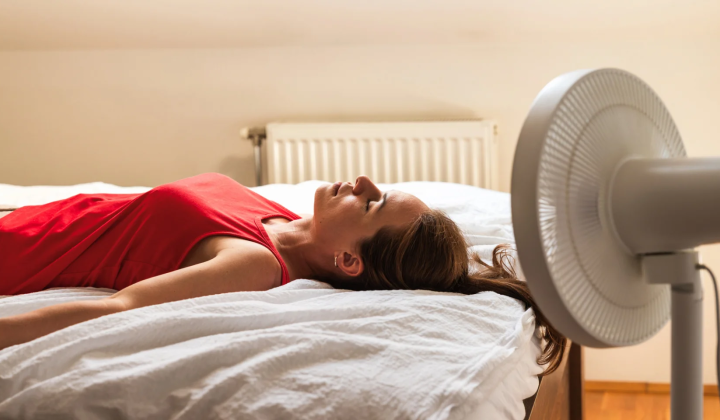
According to НВ — Техно: Falling asleep becomes far more difficult during hot nights, with frequent awakenings and a lingering sense of fatigue come morning. Research shows that the body needs to release heat to sleep comfortably-a process that hot weather directly hinders. High humidity only worsens the problem, as it reduces sweat evaporation, the body’s primary cooling mechanism. As a result, finding effective ways to cool sleeping spaces has become a pressing summer necessity.
Ways to Cool Down Bedrooms
Indoor overheating is often caused by sunlight streaming through windows and warm air entering from outside. To lower room temperatures, experts recommend using external shading like shutters, awnings, or overhangs that block sunlight before it reaches the glass. Windows should be opened only when the outdoor air is cooler than indoors-typically in the morning, evening, or at night. During the hottest part of the day, if it’s warmer outside, it’s best to keep windows closed. Cross-ventilation, which involves opening windows or doors on opposite sides of the house, can also significantly reduce indoor temperatures.
Studies indicate that nighttime ventilation can help reduce overheating, but its effectiveness depends on factors like building design, outdoor temperature, security concerns, noise levels, and air quality. Sunrooms and glassed-in extensions heat up especially fast, while attics and top-floor rooms often become the hottest areas due to the roof absorbing solar radiation. Solar panels on the roof can act as a barrier, reducing heat transfer into the building.
It’s also important to remember that hot air naturally rises. Walls and roofs that have been exposed to the sun all day continue to release stored heat long after sunset. Household appliances like ovens, stoves, dryers, washing machines, and dishwashers add extra heat to the home. Cooking and drying clothes also raise indoor humidity, making sleep conditions even worse.
Choosing the right bedding materials is key to improving thermal comfort during sleep. Studies show that cotton and linen are excellent at absorbing moisture and allowing airflow. The weave, fabric thickness, and moisture-wicking ability all play important roles. Fans, while they don’t actually cool the air, help move air across the skin, promoting sweat evaporation. However, in extreme heat-especially for older or dehydrated individuals-a fan alone may not be enough.
To sleep better during hot nights, researchers suggest eight science-backed steps:
- Block sunlight from entering the room early in the day.
- Use cross-ventilation to create airflow.
- Prevent heat from building up in specific rooms.
- Choose the coolest room in the house for sleeping.
- Reduce indoor heat and humidity sources.
- Pick bedding that helps your body stay cool.
- Use fans correctly for maximum effect.
- Try simple, low-cost cooling methods.
The golden rule for hot nights is to create a comfortable sleep environment.
Hot nights can seriously harm sleep quality, which in turn affects overall health and daily performance. Understanding why indoor spaces overheat and following evidence-based advice can help people improve their sleep conditions. This is especially important as global warming makes hotter summers the new normal, and adapting to climate change becomes essential.
As the sweltering nights continue to plague many, the impact of heat on overall well-being cannot be overlooked. The connection between rising temperatures and mental health is increasingly evident, with studies indicating that prolonged exposure to extreme heat can exacerbate anxiety and depression. For a deeper understanding of how these heatwaves are affecting mental wellness and what measures can be taken to address this growing crisis, read more about the situation here.

Read also