U.S. Extends Sanctions Waiver for Lukoil's Foreign Gas Stations Through 2026

Sanctions Relief for Lukoil
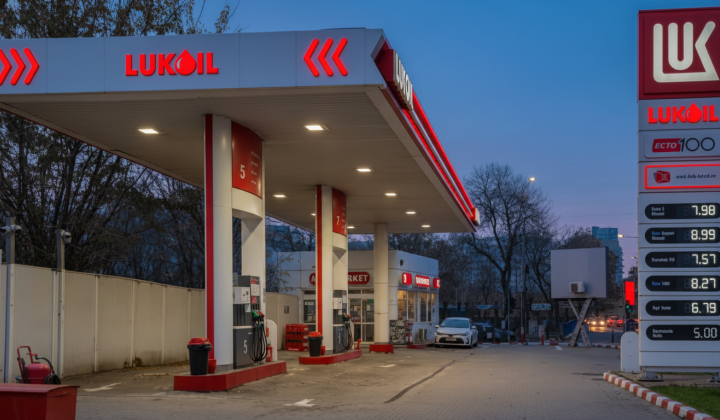
According to ХВИЛЯ: The U.S. Treasury Department, acting on authority from the Trump administration, has extended a sanctions waiver permitting the operation of Russian oil giant Lukoil's foreign gas stations. According to Reuters, this special license is now valid until the end of October 2026. This move provides continued relief for approximately 2,000 stations across several global regions, including:
- Europe
- Central Asia
- North and South America
- The Middle East
The license is set to expire on October 29, 2026. The United States initially imposed direct sanctions on Russia's largest oil companies, including Lukoil, on October 22, 2025. Prior to this long-term extension, the U.S. government had granted only two short-term reprieves-on February 26 and March 30-each lasting just one month, for the sale of Lukoil's foreign assets. The company's international holdings are valued at roughly $22 billion.
Impact on the Fuel Market
Within the United States, Lukoil operates a network of 200 branded gas stations in New York, New Jersey, and Pennsylvania. The company remains a major retail fuel supplier in Moldova and Bulgaria, and also manages over 300 stations in Romania and about 600 in Turkey. The U.S. Treasury has also issued a license allowing certain transactions with Lukoil's Bulgarian refineries, specifically the Lukoil Neftochim Burgas plant.
This decision reflects the complex challenge of balancing economic pressure on Russia with the need for global energy market stability. The extension of the waiver underscores the significant role Lukoil plays in international fuel supply chains, and its potential to influence oil prices. By allowing these foreign assets to continue operating, the U.S. appears to be mitigating risks of supply disruptions for its partners and allies, a critical consideration in global energy security.

Read also