Two Weeks of U.S. Operations Burned Through Eight Years of Tomahawk Missile Production

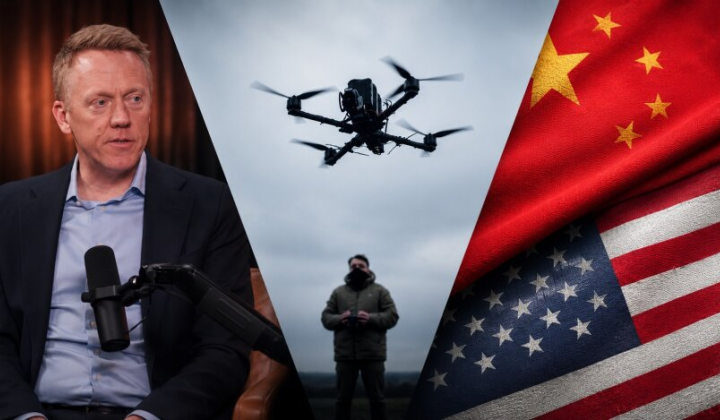
Audit of Military Operation 'Epic Fury'
According to ХВИЛЯ: In the 'School of War' podcast, Anduril CEO Christian Brose and host Aaron MacLean conducted an audit of the U.S. military operation against Iran, code-named 'Epic Fury.' Their discussion highlighted key findings, including a severe depletion of critical munitions stockpiles, a mismatch between current U.S. military doctrine and modern warfare challenges, and the urgent need to adapt defense strategies to emerging realities.
During the first two weeks of Operation Epic Fury, the United States expended roughly the equivalent of eight years' worth of Tomahawk missile production. Christian Brose stated:
“We burned through about eight years of Tomahawk production in the first week or two of the war.”
He emphasized that, in his view, there are strong reasons to believe the outcome could have been very different if lessons from past international conflicts had been heeded.
“We are not prepared for the kind of war we’ve seen in Ukraine, and honestly, not for the entire American military experience in general. Not with the army we currently have,”
Brose added.
The Need for Strategic Adaptation
A major topic of discussion was the necessity of shifting away from expensive, high-tech systems and combining them with mass-produced, low-cost munitions. In this context, Brose mentioned Anduril's new cruise missile, the Barracuda. The Pentagon has announced a deal with Anduril to produce 1,000 units of this missile per year over three years. The Barracuda is a ground-launched cruise missile with a range of several hundred miles.
During the strikes under Operation Epic Fury, the U.S. involved Ukrainian personnel and equipment for support. Aaron MacLean noted:
“It’s telling that during these strikes, we brought in Ukrainians-literally Ukrainian personnel and their equipment-to help us.”
This underscores the importance of international cooperation in military conflicts.
Brose also pointed to the critical role of artificial intelligence and data management for air defense systems. He remarked:
“We are not even close to the amount of weapons that are actually needed. Ukraine has shown us that.”
In response, he called for rebuilding the industrial base to produce simpler weapons, ensuring sufficient munitions in crisis situations.
Overall, the audit of Operation Epic Fury reveals serious flaws in U.S. approaches to warfare that require urgent review and adaptation to the new realities of the modern battlefield.
The audit of Operation Epic Fury underscores the pressing need to reassess U.S. strategy in military conflicts, considering munitions expenditure and the necessity of adapting to new realities. A military doctrine that fails to meet contemporary challenges could have severe consequences in global conflicts. The importance of international cooperation and the integration of new technologies, such as artificial intelligence, are also becoming critical for enhancing the effectiveness of military operations.
The challenges highlighted in Operation Epic Fury raise significant concerns about the U.S. military's preparedness for future conflicts, particularly in light of the ongoing missile shortages affecting readiness against potential adversaries like China. As defense strategies evolve, understanding the implications of current stockpile deficiencies becomes crucial for national security.

Read also