Record-Breaking Ocean Temperatures Signal the Rise of a Super El Niño Event

The Emergence of an Exceptionally Strong Super El Niño
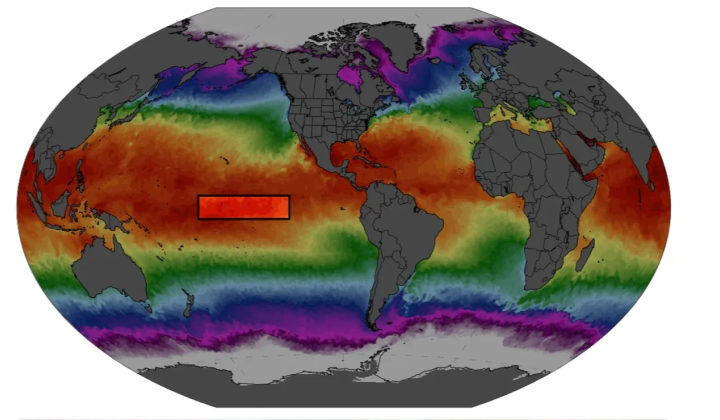
According to НВ — Техно: For the first time ever, sea surface temperatures in the Niño 3.4 region of the Pacific Ocean have surpassed 30 degrees Celsius, marking the development of a powerful super El Niño characterized by unprecedented ocean warming. This phenomenon is expected to trigger widespread climate disruptions around the globe in 2026 and 2027. On October 11, water temperatures in the Niño 3.4 monitoring zone, a key area for tracking El Niño events, exceeded the 30-degree mark. Typically, such extreme heat is confined to the western Pacific near Australia, while the central basin has historically remained cooler.
The temperature in Niño 3.4 has climbed over 3 degrees Celsius above the long-term average. Climate specialist Jin-Yi Yu commented:
“These readings are extraordinary. Temperatures here have risen more than three degrees above the norm, whereas a typical El Niño event generally warms the water by only one or two degrees. Experts predict this anomaly could reach up to four degrees by November.”
This sharp increase indicates that the event is approaching the strongest El Niño ever recorded, potentially shattering all previous temperature records. Timothy Osborne highlighted the severity of the situation:
“By key metrics, this event is already nearing the status of the most powerful El Niño in history and is expected to break all records soon as ocean temperatures continue to rise.”
The eastward movement of the heated water along the equator disrupts global atmospheric circulation patterns, resulting in devastating floods and heavy rains in East Africa, the southern United States, and along the coast of South America. Meanwhile, countries such as Indonesia and the Philippines face severe drought conditions.
Forecasts and Global Impacts
The peak intensity of this event is expected between November and December 2024, with a gradual decline beginning in 2027. The ongoing warming of the world's oceans is amplifying this phenomenon, turning the central Pacific into a hotspot for persistent weather irregularities.
The rising ocean temperatures in the Niño 3.4 region carry serious implications for the global climate system, as El Niño events are known to influence weather patterns worldwide. Experts warn that extreme weather events triggered by this anomaly could threaten food security and strain the economies of numerous nations. Continuous monitoring and proactive preparation by governments and scientific organizations are crucial to mitigating potential damages from this evolving climate threat.
The implications of the developing super El Niño extend beyond rising sea temperatures. As this phenomenon intensifies, experts warn that it could lead to significant health crises, with projections indicating that over 450,000 additional deaths globally by 2027. Understanding these potential outcomes is crucial as we navigate the challenges posed by this unprecedented climate event.

Read also