EU's Temporary Protection for Ukrainians Faces Potential Policy Shift

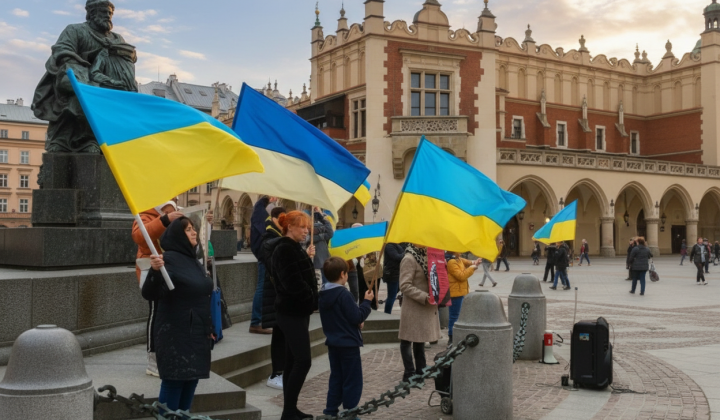
Status of Ukrainian Refugees in the EU as of Late January 2026
According to Главком: As of the end of January 2026, 4.38 million Ukrainians hold temporary protection status within the European Union. According to the Ministry of Social Policy, Family, and Unity, this figure represents an increase of 23,110 people compared to the end of December 2025. Throughout 2025, EU member states approved 683,395 new decisions granting temporary protection to Ukrainian citizens, a 14% decrease from the number granted in 2024. This mechanism was activated shortly after Russia's full-scale invasion, offering immediate sanctuary to those fleeing the war.
Distribution of Ukrainians Under Temporary Protection
The countries hosting the largest numbers of Ukrainians under this scheme are:
- Germany – 1,260,230 people
- Poland – 965,990 people
- Czechia – 397,185 people
However, when measured per thousand residents, the highest rates of individuals under temporary protection are found in:
- Czechia (36.4)
- Poland (26.5)
- Slovakia (25.8)
The overall average for the entire EU stands at 9.7 per thousand residents.
In a related development, Ireland has extended immigration permissions for Ukrainian refugees residing in the country. However, Ilva Johansson, the European Commission's Special Envoy for Ukrainians in the EU, has indicated that the temporary protection regime for Ukrainian citizens is unlikely to be renewed in its current format. This statement signals a potential shift in the policy approach of EU nations towards Ukrainians seeking refuge in the region.
"The temporary protection for Ukrainian citizens in the European Union is unlikely to be renewed in its current format."
Ilva Johansson, European Commission Special Envoy for Ukrainians in the EU
The continued rise in the number of Ukrainians under EU protection, despite a decline in new status grants, underscores the protracted nature of the humanitarian crisis stemming from the war. The prospect of policy changes could significantly affect the future prospects of Ukrainian refugees in need of assistance. This evolving situation highlights the need for EU countries to adapt their support frameworks for Ukrainian citizens amid ongoing security and social welfare challenges.

Read also