Russia's Shadow Fleet Evades Sanctions Using Forged Insurance Documents

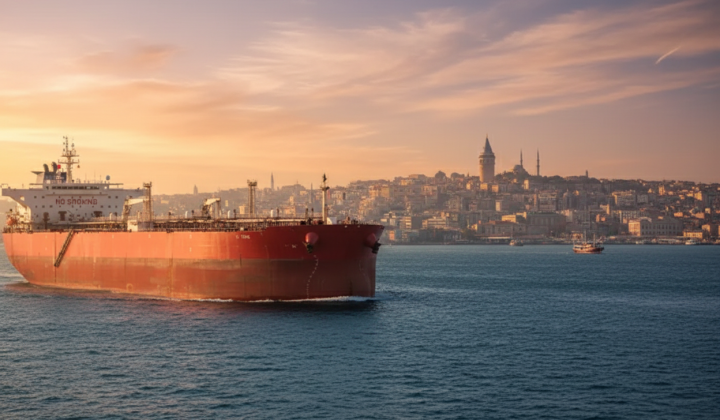
How the Shadow Fleet's Tankers Avoid Sanctions
According to Главком: Russian shadow fleet tankers are using insurance certificates from the German company Seaguard P&I to circumvent international sanctions. This company, supposedly based in Pinneburg, Germany, does not actually exist; the address listed on the documents is merely a standard residential apartment building. According to reports, the sanctioned tanker Paz, which is under US, UK, and EU sanctions, obtained an insurance certificate from this firm. Alongside the Paz, at least four other vessels, including the tanker Deyna, have received similar fraudulent certificates.
International Repercussions and Oil Market Impact
The tanker Deyna drew the attention of French authorities, who seized it in March 2026 on suspicion of violating sanctions against Russia. Concurrently, Russia's oil export revenues have surged to their highest level since June 2022. This revenue growth is attributed to rising global oil prices and increased supply volumes. The conflict in the Middle East has also triggered a sharp spike in oil prices, particularly due to Iran's blockade of the Strait of Hormuz, a chokepoint through which over 12 million barrels of oil from the Persian Gulf transited daily.
Experts estimate Russia may have earned approximately $2 billion from oil sales during a temporary easing of sanctions. Scott Bessent noted that these revenue volumes are significant and emphasized the critical importance of monitoring such operations that flout international norms.
The situation with shadow insurance certificates reveals systematic Russian efforts to bypass international sanctions, posing a threat to global economic security. The rise in oil export revenues, despite sanctions pressure, indicates Russia's potential to adapt to new conditions, which could complicate international efforts to restrict funding for its aggressive actions.
This underscores the necessity for enhanced international cooperation to control and monitor such schemes, which threaten global peace and stability. The use of a non-existent front company in Germany highlights the sophisticated and deceptive methods employed to keep sanctioned oil flowing.
The ongoing challenges posed by international sanctions have not deterred Russia's oil industry, as evidenced by a recent surge in export revenues. This trend has raised concerns about the implications for global markets and economic stability. To understand how Russia is managing to achieve record earnings despite sanctions, explore our detailed analysis on how the easing of restrictions has played a crucial role in boosting the nation's oil revenue amidst shifting geopolitical dynamics.

Read also