Iron Age Woman Found in Britain with Brain Removed and Bones Turned into Tools

Unusual Burial Site Investigated in Britain
According to НВ — Техно: On June 10, 18:00 – a new study published in the journal Antiquity has revealed an extraordinary burial discovered near Loch Borralie. During the Iron Age in Britain, a woman had her brain removed, and her limb bones were reshaped into tools. This finding points to unique burial practices of that era.
The rectangular stone cairn where the burial was found was first excavated in 2000. Inside the tomb, fragments of two skeletons were uncovered: an adult woman, referred to as 'Individual 1', and a teenager, described as 'Individual 2'. Both burials date to between the 1st century BCE and the 1st century CE.
Distinctive Features of the Burials
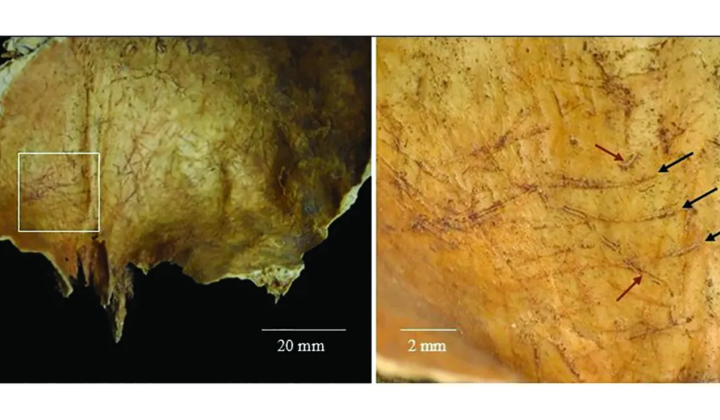
The adult female skeleton belonged to someone over 30 years old. Her skull showed an unusual fracture and clear cut marks made by a sharp, thin tool. These traces indicate that the brain was removed shortly after death.
Uniquely, four of the woman's bones (three from her arms and one from her leg) were artificially modified: they were carved to sharp edges and tapered ends. The removed bones were placed back in the grave in their correct anatomical order, suggesting careful handling during the process.
Laura Castells Navarro, one of the researchers, noted: 'The care with which the skeleton was reconstructed before the final burial under the stones indicates the woman's high status and the great respect she received from her community.'
The second skeleton found in the cairn belonged to a 15-year-old boy. No signs of manipulation were found on his remains. Genetic analysis showed that the teenager and the woman may have been close relatives, such as cousins. Additionally, testing revealed distant kinship between those buried at Loch Borralie and inhabitants of other Scottish sites, including the Orkney Islands.
The reasons behind these actions are difficult to interpret, but they open new avenues for understanding Iron Age cultural practices in Britain.
This discovery could significantly change our understanding of burial rituals and social structures among Iron Age communities. The practice of brain removal and bone modification suggests complex beliefs about life and death, as well as possible social statuses held by these individuals. Further research may help uncover more details about the cultural and familial connections among populations of this era.
This discovery adds to the growing body of evidence regarding ancient burial practices across Europe. Similar to the recent finding of headless bodies unearthed in Slovakia, the burial at Loch Borralie highlights the complexity and diversity of funerary customs during prehistoric times, inviting further exploration into the cultural significance of these rituals.

Read also