Rare Mountain Thrush Spotted in Chernobyl for First Time in 50 Years

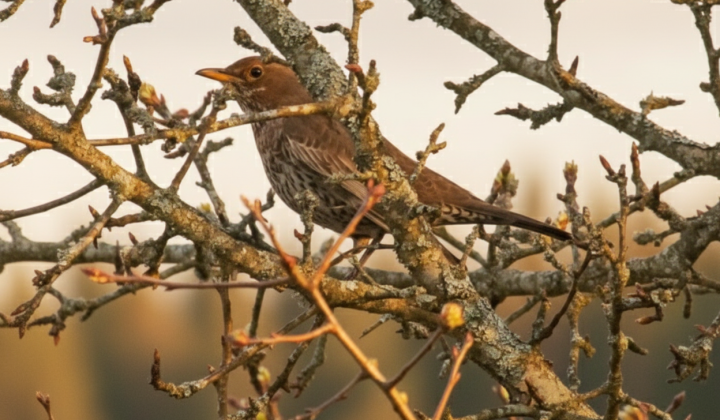
Discovery in the Chernobyl Exclusion Zone
According to Главком: A mountain thrush, a species not recorded in the Kyiv region for approximately half a century, has been observed within the Chernobyl Radiation and Ecological Biosphere Reserve. Historically, this bird has only been documented twice in the area: first in April 1910 by zoologist Edward Charlemagne, who recorded a pair, and again on March 24, 1976, near the village of Kozarovychi. The mountain thrush typically nests exclusively in the Carpathian Mountains, making its appearance in the exclusion zone a likely result of seasonal migration. This sighting is a significant addition to data on the species' range and underscores the need for continued ornithological monitoring in the reserve.
The research leading to this discovery was conducted in collaboration with experts from Taras Shevchenko National University of Kyiv. The Chernobyl Exclusion Zone, established after the 1986 nuclear disaster, has become an unexpected sanctuary for wildlife, offering scientists a unique living laboratory.
Natural Fauna Makes a Comeback
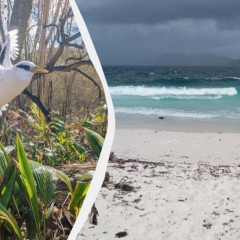
In a further sign of ecological recovery, six white storks landed on the roof of an administrative building in central Chernobyl on April 6, 2026. The last recorded nesting of white storks within the city itself was 20 years ago. These observations indicate a positive trend in the restoration of natural fauna within the zone.
Collectively, these events suggest an improving ecological situation in the exclusion zone, likely a consequence of natural regeneration following the Chernobyl Nuclear Power Plant accident. The reappearance of rare bird species points to the potential for biodiversity recovery, a crucial aspect for future environmental research and conservation efforts in Ukraine. Monitoring bird and other wildlife populations here can provide invaluable data for assessing the long-term impact of radiation on the region's flora and fauna.
The recent sighting of the mountain thrush in Chernobyl is not an isolated event. In fact, it follows the remarkable return of white storks to the city after two decades, highlighting a broader trend of wildlife resurgence in the Exclusion Zone. This recovery not only reflects the area's ecological restoration but also emphasizes the importance of ongoing research and monitoring efforts in understanding and preserving biodiversity in this unique environment.

Read also