Flood-Prone Areas in the Himalayas See Dramatic Rise in Construction, Endangering Nearly 300,000 People

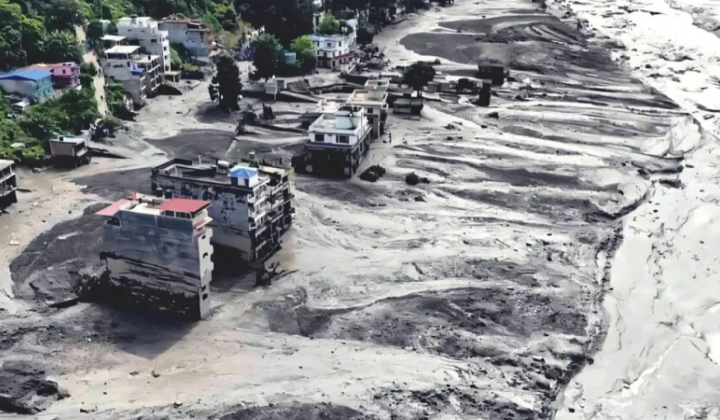
Rapid Expansion of Construction in Flood Risk Zones
According to НВ — Техно: A 2026 study reveals a sharp increase in development within flood-prone areas across the Himalayan regions of Nepal, India, and China, putting close to 300,000 residents at serious risk. Seasonal monsoons, intense rainfall, and glacial lake outburst floods drive frequent flooding in these mountainous areas, with climate change intensifying these threats. Over the past seven years, building activity in the most vulnerable zones has surged by nearly 78%.
Risk Assessment and Future Outlook
Led by Scott Watson and his team, the study assessed hazards to infrastructure and communities along river stretches downstream from 1,361 Himalayan lakes, covering areas within 50 kilometers. The analysis compared construction data from 2016 to 2023 using five independent satellite and mapping sources, uncovering a 46% increase in built-up land near rivers-from 12.4 to 18 square kilometers.
In Nepal alone, over 108,000 people live under threat, with roughly 23,000 residing within just ten vertical meters of riverbanks. Projections suggest this vulnerable population will rise by 6% by 2030, reaching approximately 18% of the studied region’s inhabitants, or about 293,800 individuals. Researchers stress the urgent need for accurate building registries to enable timely relocation away from perilous river corridors.
This investigation highlights the urgent challenges faced by mountain nations where climate change and human activity intersect to magnify natural disaster risks. The surge in construction within hazard zones escalates the potential for economic damage and humanitarian crises, calling for immediate intervention from governments and global organizations to enhance risk management and safeguard communities. Public awareness and strict adherence to construction regulations in flood-prone areas remain vital components in reducing disaster vulnerability.

Read also