Robotic Elephants Replace Live Animals in Indian Temples

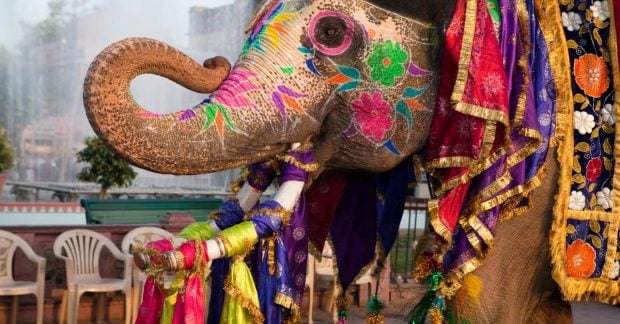
Robot Elephants Now Used in Indian Temples
According to УНІАН — Туризм: In India, live elephants are being replaced by robotic versions in temples. These mechanical animals-built by engineer Prasanth Prakashan in Chalakkudy-are made from fiberglass, iron, and rubber. They can flap their ears, move their tails, swing their trunks, and even spray water, though they cannot walk. Around 40 such robots, each costing about $6,000, have been donated to temples by PETA and other charitable foundations.
In Buddhist tradition, the elephant symbolizes patience, wisdom, and enlightenment. In Kerala, where many elephants live, testosterone levels during musth can spike nearly 60-fold. Animal advocates like Prasanth Prakashan argue that using robotic elephants can reduce the stress live animals endure during religious festivals.
“It is impossible to create a real elephant just as it is impossible to fully recreate a human,” Prakashan says.
Debate Surrounding the Use of Robotic Elephants
Not everyone supports this initiative. Devotees and elephant owners have voiced concerns.
“If you don’t consider the elephant a sacred animal, then what is the point of a robotic elephant in a temple?” asks K. Mahesh, an elephant owner who has lived alongside his animal for 25 years.
Many people want to see massive elephants with large tusks, which create an almost military impression. “These elephants are forced to stand for hours under the scorching sun amid crowds, loud drums, and fireworks. Any trigger can provoke them into uncontrollable aggression,” adds Khushbu Gupta.
Some temple administrations also openly oppose using robotic elephants during religious festivals. Many believe traditional elephants are essential to religious rituals. “This is my profession. I don’t want to destroy anyone’s traditions, but if we don’t stop treating elephants as commodities, future generations might never see them at all,” says Suraj Nambiat.
In Kerala, around 400 elephants live in captivity out of roughly 2,500 across India, and since 2010, the captive population has decreased by about half. During temple festivals in 2024, elephant attacks resulted in nine human deaths. “Unfortunately, elephants can generate a lot of money. It’s no longer just about spirituality or even tradition-it’s about religious tourism,” notes P. S. Isa.
The first robotic elephant, named Irinjadappilly Raman, appeared in a temple in 2023. The full production cycle for one robotic elephant takes about 15 days. Opinions on this topic vary widely. As P. S. Isa notes, “It is impossible to change a tradition that has existed for centuries in just a few years.” At the same time, some hope that over time, more people will come to accept these robotic animals.
The introduction of robotic elephants into Indian temples has sparked intense debate over ethics, tradition, and the future use of live animals in religious ceremonies. Many view elephants as an inseparable part of cultural heritage, while others argue that new technologies can help reduce animal suffering. This issue remains pressing as society seeks a balance between preserving traditions and upholding ethical standards toward living beings.

Read also