Latvia has launched large-scale civil defense exercises: what scenarios are being practiced

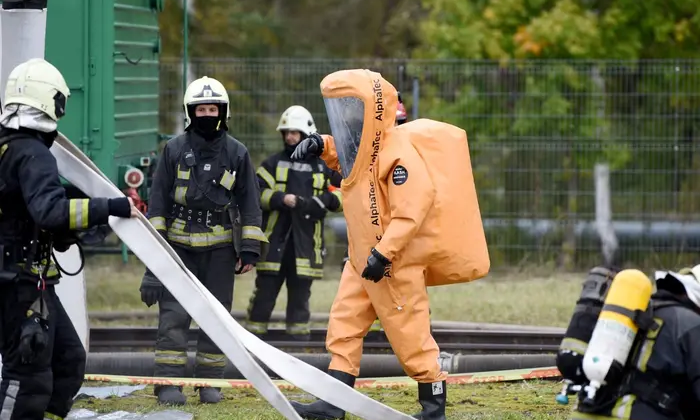
According to glavcom.ua: Today, August 18, the largest civil defense exercises Radex 2025 have started in Latvia. Participants will practice scenarios involving five threats related to the elimination of chemical, biological, radioactive substance leaks and petroleum products, as well as addressing the aftermath of explosions. This was reported by 'Glavkom' based on data from the Delfi portal.
These exercises, which will last until August 22, aim to test the readiness of institutions and their cooperation in emergencies, improve crisis management, and practice actions during large-scale threats.
The organizers of the exercises are the State Fire and Rescue Service (VUGD) in collaboration with state and municipal institutions, emergency services, the National Armed Forces, non-governmental organizations, and volunteers.
Practical exercises in various regions of Latvia
On Monday, the exercises will take place near Valmiera, where a scenario simulating an accident involving a vehicle transporting a dangerous biological sample will be recreated, resulting in the release of anthrax bacteria into the environment.
On August 19, during the exercises in Riga, Vidzeme, and Latgale, the actions of emergency services and institutions in response to information about an accident at the Leningrad Nuclear Power Plant will be showcased, while on August 20, events concerning a freight train on a railway bridge in Jelgava, which caused a leak of harmful chemicals into the Lielupe River, threatening public health and the environment, will be simulated.
The implementation of civil defense exercises Radex 2025 in Latvia aims to enhance the readiness of institutions and services to act in emergency situations, as well as improve coordination among various structures in the event of a threat to the population and the environment. Participants in the exercises enhance their skills in responding to various types of threats and gain practical experience in conditions that closely resemble real crisis situations.

Read also