A Rare Six-Planet Alignment to Grace the February Sky: Viewing Guide

A February 2024 Celestial Event
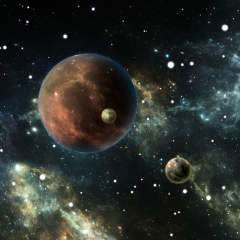
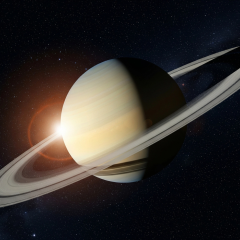
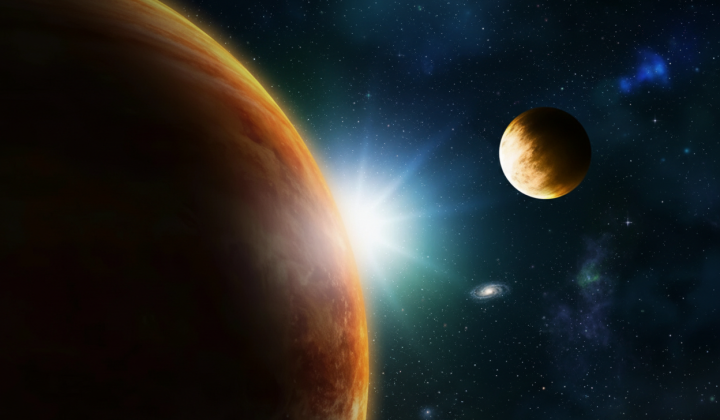
According to Главком: Skywatchers are in for a treat in February 2024, as a rare alignment of six planets will be visible. Mercury, Venus, Jupiter, Saturn, Uranus, and Neptune will all appear in the sky simultaneously, beginning around February 14-15. The event will reach its peak on February 28, when the six celestial bodies will be positioned closest to one another, offering the most spectacular view. Such multi-planet alignments are infrequent and provide a unique opportunity to see much of our solar system's family in one glance.
Experts recommend beginning observations about 30 minutes after sunset, looking toward the western horizon. For a planet to be visible to the naked eye, it should be positioned at least a few degrees above the horizon, with 10 degrees or higher being ideal for clearer viewing.
This unique phenomenon may last from several weeks to over a month. However, the last major planetary parade involving seven planets occurred on February 27, 2025, and the next similar grand alignment is not expected until 2040.
Space-Based Energy and Its Consequences
Beyond astronomical events, the scientific community is also discussing a potential threat from space-based solar power stations to satellites. The United States and China are actively competing to develop orbital solar power infrastructure, leading to increased congestion in near-Earth orbit with a large number of satellites.
Prototypes for these space-based solar power stations are planned for launch by the end of this decade, with companies from both nations aiming to demonstrate the technology for beaming solar energy from space to Earth in the near future. However, the powerful lasers used to transmit energy from these stations could potentially cause serious damage to satellites.
"The alignment of six planets in February 2024 is a significant event for astronomers and amateur skywatchers alike," noted scientists.
Such rare celestial phenomena typically capture public attention, which can stimulate broader interest in astronomy and scientific research. Furthermore, the active efforts by the U.S. and China in space-based energy underscore the growing competition in space technology, a rivalry that may impact the safety and stability of the near-Earth environment in the years to come.

Read also