Ancient Maya Platform and Monolithic Sculpture Unearthed in Mexico

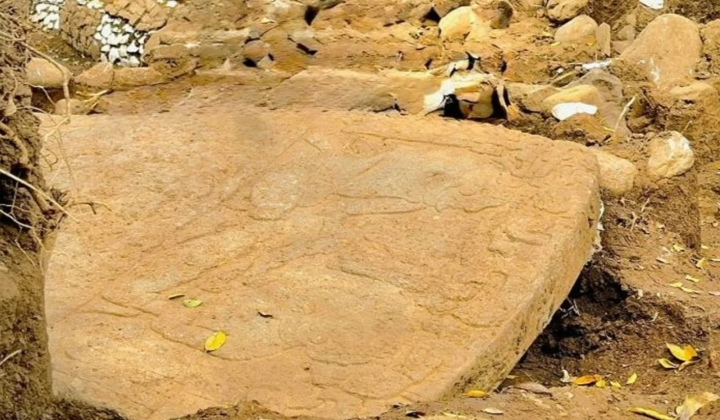
Archaeological Discovery in Mexico Reveals Pre-Columbian Platform
According to НВ — Техно: June 19, 09:01
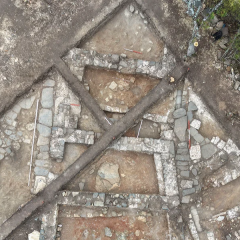
In the Mexican residential district of Coatepec, located in San Lucas, a rectangular platform and a monolithic sculpture have been uncovered during a salvage archaeology project led by Mexico's National Institute of Anthropology and History (INAH). These artifacts date back to the Early Classic period, spanning from 200 to 600 CE. This find significantly advances the understanding of Mexico's cultural heritage, offering fresh insights into ancient Mesoamerican societies.
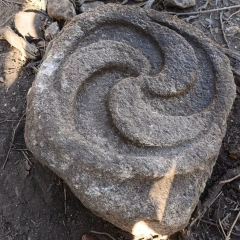
The platform measures 30 meters in length and 12 meters in width. Constructed from stone slabs and white limestone, it features decorative elements such as engraved geometric patterns and circular stones embedded along two of its sides. Additionally, archaeologists discovered a monolithic stone sculpture standing 1.88 meters tall, depicting two figures receiving a sacred liquid from a divine being. One of the figures exhibits distinct Maya characteristics.
Ceremonial Offerings and Significance of the Finds
Excavations also uncovered ceremonial offerings, including:
- charred maize remains,
- buried pottery vessels,
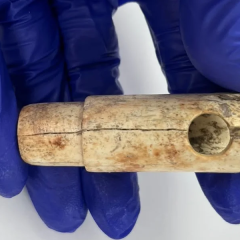
- a fragmented green stone bead.
All artifacts have been sent for laboratory analysis to gain further insights into their origins and meaning.
The excavations are being conducted by an interdisciplinary team of archaeologists led by Alberto Vázquez Domínguez and Lino Espinosa García from the INAH Veracruz Center. Mexico's Minister of Culture, Claudia Curiel de Icaza, emphasized the importance of such discoveries, stating:
'Each structure, object, and symbol that emerges from archaeological research reminds us that Mexico possesses one of the deepest and most diverse cultural heritages in the world.'
She added: 'This discovery provides new knowledge about our past and reaffirms the importance of protecting heritage as a shared good.'
Researchers note that there is currently no evidence linking these finds to the Totonac civilization. Meanwhile, a burial site approximately 1,500 years old was previously found in the state of Nayarit, highlighting ongoing archaeological activity in the region.
This discovery underscores the value of archaeological research in exploring Mexico's history and cultural heritage. The presence of Early Classic period artifacts may shed light on the social and religious practices of ancient civilizations that inhabited this area. Continued excavations and analysis of the findings will help clarify not only local history but also the interconnections among various cultures in pre-Columbian America.
This remarkable discovery in Mexico adds to the growing body of archaeological evidence highlighting the complexity of ancient civilizations. Similar advancements have been made in other regions, such as Egypt, where satellite imagery has revealed numerous ancient burial sites. These findings not only enhance our understanding of past societies but also underscore the importance of modern technology in uncovering historical secrets.

Read also