Lost Pima Village That Defied Colonization Unearthed in Mexico

Discovery of a Hidden Pima Settlement Reveals Indigenous Resistance in Colonial Mexico
According to НВ — Техно: Archaeologists from Mexico’s National Institute of Anthropology and History (INAH) have uncovered a long-lost Pima settlement in the Cocóspera Valley, nestled within the Sierra de Sonora mountains. The site dates back to 1687, coinciding with the establishment of a regional mission. Led by INAH archaeologist Tomás Pérez Reyes, the excavations have yielded significant remains that highlight how the Pima people resisted and adapted to Spanish colonization. This finding sheds light on a lesser-known chapter of indigenous resilience in northern Mexico.
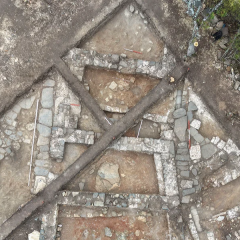
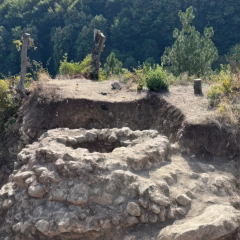
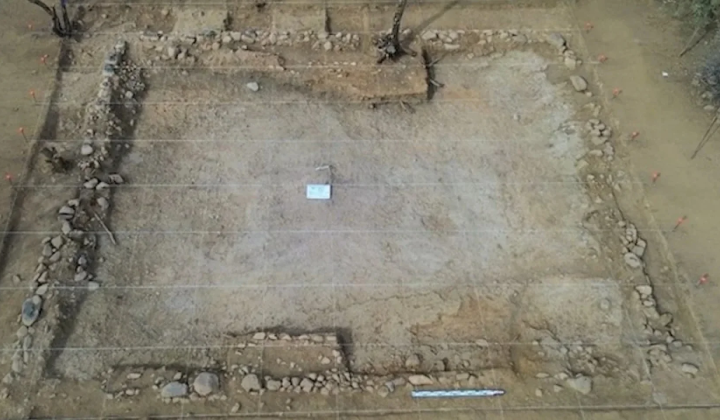
Hidden beneath a mesquite grove for over 300 years, the settlement lies between the modern towns of Ímuris and Cananea, just 100 meters from a mission church. The dig covered roughly 800 square meters, revealing adobe houses built using Spanish techniques but arranged according to Pima traditions. These homes featured centrally placed hearths, and traces of temporary indigenous dwellings were also found nearby.
Among the artifacts uncovered are around 20 outdoor cooking ovens. Inside them, researchers found remains of various animals, including:
- cattle
- pigs
- sheep
- deer
- dogs
- chickens
- turkeys
- donkeys
- horses
This variety points to a diverse diet among the Pima.
“Spaniards did not eat horses, but here we found cooked remains of all kinds of animals,” noted Júpiter Martínez Ramírez.
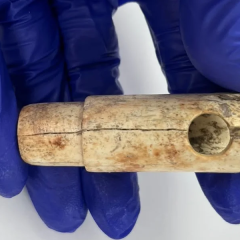
Plant remains include corn, amaranth, cactus, and edible wild greens known as quelites. The team also recovered a large collection of stone arrowheads, shell ornaments from the Gulf of California, Christian crosses, and religious medals.
“They are material proof that the Pima continued using these items even after the Jesuits settled in Cocóspera,” said Tomás Pérez Reyes.
The archaeological remains survived outside the mission complex, hidden under debris from mid-20th-century construction. This discovery underscores the cultural transformation and adaptation of the Pima people in the face of the mission system imposed on the region. The report also mentions another ancient settlement-the Maya site of Aguada Fénix-which covers about 9 by 7.5 kilometers and has been studied from 2020 to 2024 using LiDAR technology.
Ultimately, the unearthing of this lost Pima village not only enriches our understanding of Mexico’s indigenous cultures but also highlights their resistance to colonization and their ability to adapt to new circumstances. This find could significantly influence future research into indigenous history and culture, as well as reshape perspectives on their role within the broader colonial processes of Latin America.
This remarkable discovery adds to the growing body of evidence regarding indigenous cultures in Mexico. Similar to the recent findings of an ancient Maya platform and monolithic sculpture, the Pima settlement showcases the rich history and resilience of native peoples against colonization, highlighting the importance of archaeological research in understanding their legacies.

Read also