Andean Population Carries Genetic Shield Against Arsenic Poisoning

Genetic Adaptation Study in San Antonio de los Cobres Residents
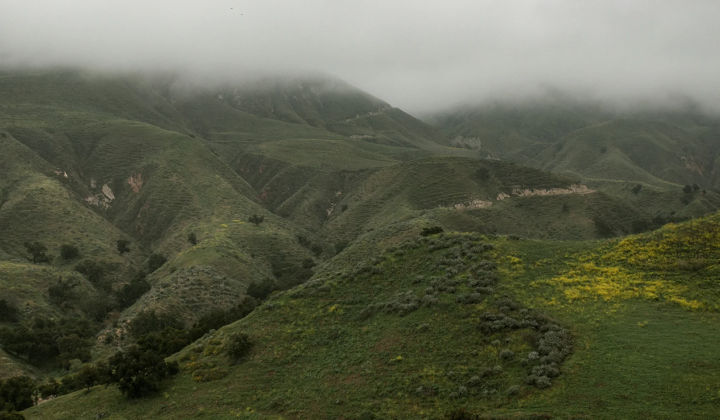
According to НВ — Техно: A study published by Science Alert examines residents of San Antonio de los Cobres, a town in northern Argentina. Scientists have identified a genetic adaptation in the local population that helps them cope with high arsenic levels in their water supply. The research highlights specific variants of the AS3MT gene, which enable more efficient removal of toxic compounds from the body.
Arsenic in the Water Supply
San Antonio de los Cobres sits at an elevation of roughly 3,775 meters above sea level. Before 2012, arsenic concentrations in drinking water reached about 200 micrograms per liter-20 times the World Health Organization's recommended limit of 10 micrograms per liter. A water treatment system installed in 2012 has since improved water quality in the region.
People have inhabited this area for at least 7,000 years, and possibly as long as 11,000 years. In 1995, researchers discovered that women in the Argentine Andes possessed an unusual ability to metabolize arsenic. For the new study, DNA samples were collected from 124 women in the region and compared with genetic data from populations in Peru and Colombia.
Results showed that residents of San Antonio de los Cobres have lower levels of a toxic arsenic compound (monomethylated arsenic) and higher levels of a safer, more easily excreted form (dimethylated arsenic). This points to specific adaptations that developed in the local population due to long-term exposure to arsenic in their environment.
The study underscores the importance of genetic adaptations in response to environmental challenges faced by local communities.
These findings could help scientists better understand the mechanisms that enable survival under high levels of toxic compounds. The discovery may also encourage further genetic and ecological research, particularly in other regions where populations face similar environmental threats.

Read also