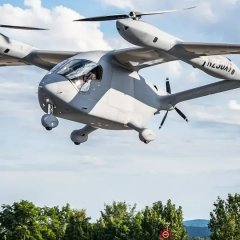
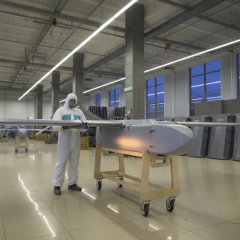
A new stealth drone Anka-3 crashed during tests in Turkey

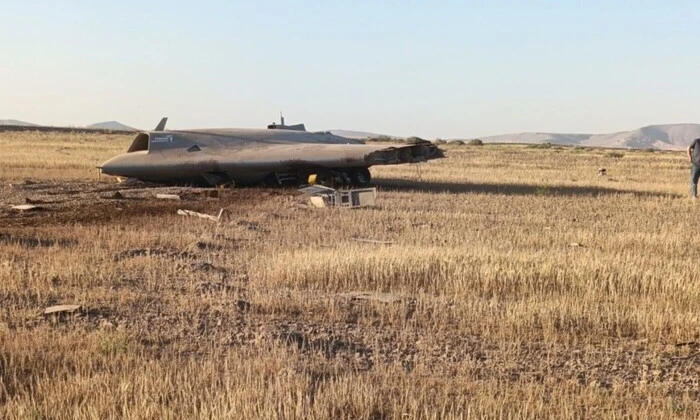
The stealth drone Anka-3 crashed during a test flight in Turkey
According to glavcom.ua: In Turkey, during a test flight near the city of Konya, the stealth drone Anka-3 developed by Turkish Aerospace Industries (TAI) crashed. This was reported by Glavkom, referring to Defence Blog.
According to official data, the drone made a "controlled landing" with a loss of lift surfaces, but the main fuselage remained almost undamaged.
In the Konya area, during the test flight, Anka-3 UAV was making a controlled approach to the ground.Technical specialists began fieldwork for a comprehensive assessment of the incident, and investigations into the causes of the accident are being conducted thoroughly. pic.twitter.com/ATC5A1Q5gy
— Trafik Konya (@trafik_konya) June 25, 2025
Anka-3 is a new generation of Turkish drone systems: it is the first Turkish jet UAV with a flying wing configuration and a stealth profile. It is designed for reconnaissance, strike operations, electronic warfare, and other tasks in conditions of countering modern air defense systems.
Reactions to the Anka-3 incident on social media
Reactions on social media were mixed. Some users called this event a failure, pointing out visible damage and emphasizing comparisons with well-known Western systems. However, many others dismissed the criticism as opportunistic. There is an opinion that technical issues during testing are a common situation in the development of such complex technologies.
Defence Blog writes that the tests of Anka-3 have become an important part of Turkey's ambitious program to transition to next-generation drone aviation, which can be compared with Western and Chinese counterparts.
The incident of the stealth drone Anka-3 crashing in Turkey during testing indicates the complexities of developing and testing such modern technologies in the field of unmanned aviation. Reactions on social media ranged from criticism to an understanding that such incidents can occur and are part of the process of creating innovative systems.

Read also