Can Ukrainian Drone Strikes on Russian Oil Infrastructure Curb Moscow's Export Revenue?

Ukrainian Drones Target Russian Oil Facilities
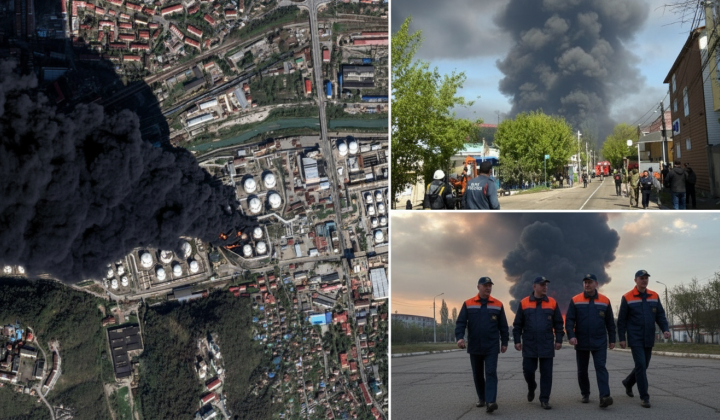
According to ХВИЛЯ: In a sustained campaign, Ukrainian drones have been striking oil infrastructure deep inside Russia, aiming to disrupt a key source of funding for Moscow's war effort. Over the past two weeks alone, four attacks have been recorded against an oil refinery and an export terminal in Tuapse. Additionally, Ukraine launched consecutive daily strikes on an oil pumping station in the Perm region, located more than 1,500 kilometers from Ukrainian borders. Late March also saw three strikes on the Baltic port of Ust-Luga.
Ukrainian President Volodymyr Zelenskyy stated that Russia has lost at least $7 billion from attacks on its oil sector since the start of the year. However, the economic impact of these strikes remains mixed. According to the International Energy Agency, Russian exports of crude oil and petroleum products rose by 320,000 barrels per day in March, reaching 7.1 million barrels. Revenue from oil exports nearly doubled, climbing from $9.7 billion to $19 billion.
Economic Fallout and Uncertain Gains
Experts note that while drone strikes have disrupted Russian refining operations, Western sanctions complicate the procurement of replacement parts. Chris Weafer points out that actual damage to Russian oil infrastructure may be far less severe than dramatic explosion footage suggests. He added that hitting an oil tank-especially one that is partially full-can ignite vapors and produce a spectacular fire, but the real impact on output may be limited.
Meanwhile, Volodymyr Slivyak warned that large volumes of oil remain at sea, and in the coming years, each storm could wash increasing amounts of oil pollution ashore.
The attacks on Tuapse have shocked Russians accustomed to vacationing on the Black Sea coast, with columns of smoke visible even from space. Fires from the strikes have forced evacuations, sending thick plumes into the sky. While the strategic goal is clear-to damage Moscow's oil export earnings-questions remain about how effectively these operations are undermining Russia's economy.
This surge in Ukrainian drone activity underscores the critical role oil exports play in financing Russia's military operations, making them a prime target. Yet the concurrent rise in export volumes and revenues highlights the resilience of Russia's economy under sanctions. This creates a complex picture in which the direct impact of the strikes may be less than Ukrainian strategists hoped, though they still generate social and economic tension within the affected regions.
The recent drone strikes have not only targeted oil facilities but have also sparked significant incidents, such as the fire at oil tanks in Tuapse. This event highlights the ongoing tensions and the impact of military actions on critical infrastructure. To understand more about the consequences of these attacks and their implications for the region, read about the fire at the oil tanks in Tuapse.

Read also