Ukrainian Schools Shift Away from Formal Address: New Norms for Teacher-Student Interaction

A New Communication Trend in Ukrainian Schools
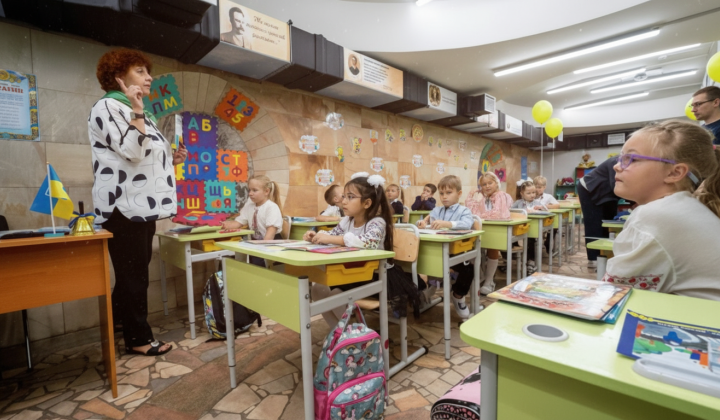
According to ХВИЛЯ: A new approach to communication is gradually taking hold in Ukrainian educational institutions. The traditional, highly formal method of addressing teachers by their first name and patronymic is being replaced by more modern and informal alternatives. Increasingly, schools are adopting the use of 'Mr./Ms. + first name' or simply the teacher's first name. This shift is viewed as part of a broader move away from the Soviet educational model toward a more European one, reflecting a desire to modernize the learning environment.
Discussion of this trend gained momentum after a Ukrainian teacher shared their experience of changing how students address them. Veteran educators note that using 'Ms./Mr. + first name' maintains respect while shedding the excessive formality characteristic of the Soviet system. Some teachers consciously opt to be called by their first name only, signaling a desire for more open and democratic communication. This change mirrors wider societal shifts in Ukraine following its independence in 1991.
Recommendations from Education Experts
Education specialists advise schools to consider forms of address as a crucial element of school culture. They recommend implementing changes gradually, taking into account:
- the age of the students,
- the specific character of the educational institution,
- and internal agreements within the teaching staff.
The move away from the first name and patronymic in schools is seen as one component of larger-scale reforms within the Ukrainian education system. The country is steadily departing from rigid Soviet standards and moving toward a European model, which reflects an aspiration to modernize the educational process and improve teacher-student interaction.
This new communicative practice could positively impact the atmosphere in schools, fostering more democratic relationships between teachers and pupils. Implementing such changes is a significant step within the context of ongoing Ukrainian education reforms, which aim to adapt to modern demands and global standards. Alterations in forms of address may also encourage students to participate more actively in the learning process, creating an open space for discussion and collaboration.

Read also