Ukrainian Teachers Debate Dropping Patronymic Address for a More Informal Approach

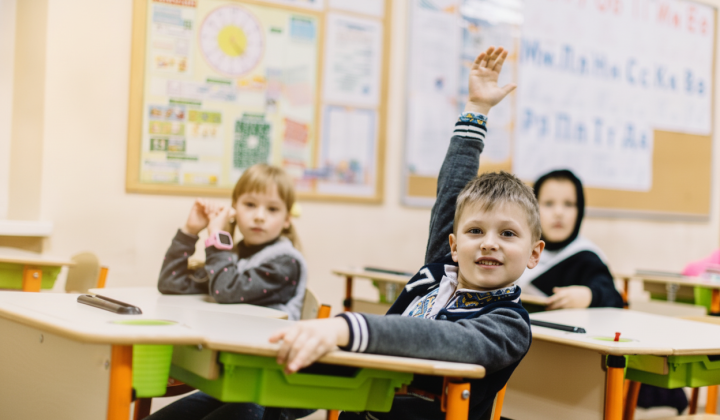
New Forms of Address Spark Discussion in Ukrainian Schools
According to ХВИЛЯ: A debate is unfolding across Ukrainian educational institutions about whether to replace the traditional patronymic-based address for teachers-using a first name plus father's name-with a more informal format like "Mr./Ms." followed by the first name. The conversation was ignited by geography teacher Andriy Utkin, who shared his personal experience on the social media platform Threads.
Utkin previously taught at a public school where students addressed him as Andriy Oleksiyovych, the conventional patronymic form. He says this approach negatively affected his self-esteem:
“In public schools, and sometimes in private ones, teachers are traditionally called by their first name and patronymic, like Andriy Oleksiyovych. As soon as I became 'Oleksiyovych' at the state school, my ego started to swell, my belly grew, and soon a beard appeared, immediately turning gray. But my world turned upside down when, at a private school, students began addressing me as 'Mr. Andriy' or simply 'Andriy.' Even though the belly and beard are still there-and I'm losing hair too-I felt younger at heart. For me, that form of address is much more pleasant. That's normal, right?” - Andriy Utkin.
Other Educators Share Their Experiences
In the ongoing discussion, other teachers have weighed in with their own perspectives:
-
Zhanna, a history teacher with over 20 years of experience, now runs her own speech therapy practice, where clients call her Ms. Zhanna. She notes:
“Yes, that's normal. I'm 45. I worked as a history teacher in a public institution for over 20 years. Now I've opened my own speech therapy office, and to everyone there, I'm Ms. Zhanna. No exceptions. It's great.”
-
Valentyna, another teacher, shared that her students simply call her by her first name: “My students call me Valentyna-I like it. Here's what I think: I have a son, and I call him Andriyko (if someone calls him Andriyko or Andriy, I correct them). So he'll grow up to be Mr. Andriy! That's awesome.”
-
Olha, a lecturer, also contributed: “I offered the children options to call me by my full name and patronymic, Mrs. Teacher, or Ms. Olha. I like the last option too.”
-
Maryna, an educator who uses the address Ms. Maryna, expressed her support: “With the new form of address, children can say 'Mr./Ms.' and the teacher's first name. I am Ms. Maryna. I like it.”
-
Valentyn, another teacher, noted that students call him by his first name or Mr. Valentyn. This suggests that the new form of address may gain popularity among both students and teachers.
Colleagues are actively endorsing the change, signaling a shift in school communication and the potential for more informal relationships between students and educators. The debate continues, with teachers weighing the pros and cons of such changes in the educational process.
This discussion about new forms of address in Ukrainian schools reflects global trends toward more informal interactions in education. It could improve communication between students and teachers and positively impact the psychological climate in learning environments. At the same time, the question of traditional address forms remains relevant, and this debate may lead to further changes in the education system.

Read also