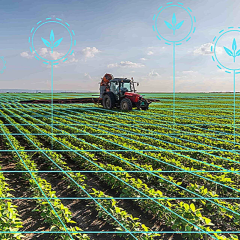
Climate Crisis Demands a Strategic Shift for Ukrainian Farmers

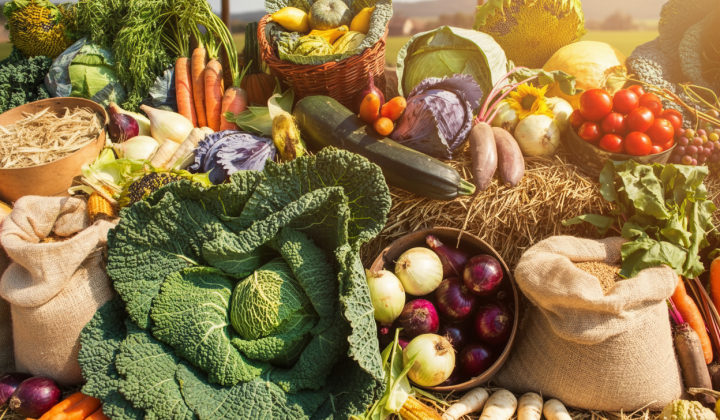
Rethinking Agronomic Practices in a Changing Climate
According to Главком: Persistent moisture deficits, frequent soil and air droughts, and accelerating erosion are forcing a fundamental reassessment of crop cultivation methods. Dr. Ivan Kryvenko, a Doctor of Biological Sciences, stresses the need to account for plants' physiological mechanisms-particularly the role of the meristem (growth point), which responds to external stress through hormonal balance. Experts argue that without integrating these internal physiological processes into yield formation strategies, adapting farming technologies to new climate realities is impossible.
Physiological Mechanisms and Their Impact
Key plant traits must be monitored throughout ontogenesis-the entire lifecycle from seed germination to senescence. This period splits into two phases: establishing yield potential and realizing it. The meristem acts as the plant's central analytical hub, scanning multiple parameters such as:
- temperature and accumulated active heat units;
- light intensity and day length;
- soil and atmospheric humidity;
- nutrient availability;
- internal energy reserves.
The meristem can switch developmental programs, transitioning from vegetative to generative stages-for example, from leaf growth to ear formation. These shifts are driven by fluctuations in hormonal balance at the growth point. External stressors alter levels of phytohormones like auxins, cytokinins, gibberellins, abscisic acid, and ethylene. Kryvenko urges farmers to abandon the mindset that "more fertilizer is always better," since optimal plant nutrition requires a precise physiological balance.
Key conditions for maintaining this balance include:
- maximizing photosynthesis to efficiently convert solar energy;
- managing transpiration to control moisture loss;
- maintaining active enzyme systems for rapid internal biochemical reactions;
- enabling "unrestricted" growth so that organogenesis stages proceed without delays, even under stress;
- ensuring energy efficiency so the plant does not waste energy compensating for toxic excesses or acute deficiencies.
Forecasts indicate that by June 2026, the spring sowing campaign will give way to intensive plant care. During this period, stable summer warmth is expected, with soil temperatures reaching their peak-a shift that will significantly influence agronomic strategies.
"In the context of climate change and rising food demand, adapting agronomic practices has become critical for ensuring sustainable agricultural development."
Ivan Kryvenko
A deeper understanding of plant physiology and how external factors affect growth and development can help farmers devise new management techniques that boost yields and resilience against extreme weather. Given current projections, the continued evolution of agronomic practices may well determine the future of agriculture in a warming world.
As Ukrainian farmers face unprecedented challenges due to climate change, the recent sharp decline in harvests emphasizes the urgent need for innovative agronomic strategies. Understanding the physiological mechanisms of plants is crucial for adapting to these new realities and ensuring sustainable crop production amidst fluctuating environmental conditions.

Read also