Ukraine's Railways Deploy 54 Mobile Resilience Hubs, Serving Over 9,000 People

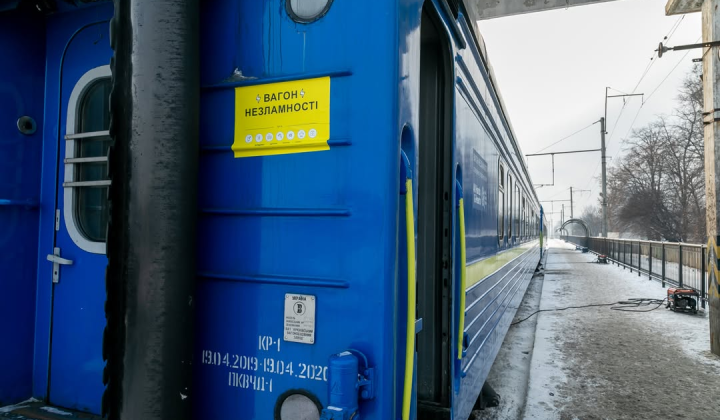
Ukrzaliznytsia's Mobile Resilience Hubs
According to Міністерство інфраструктури: In response to attacks on the energy grid, Ukraine's state railway company, Ukrzaliznytsia, has established a network of 54 mobile resilience hubs across 12 regions. These facilities have already provided essential services to more than 9,000 visitors, offering a vital refuge during a challenging winter marked by power shortages.
The deployment began on January 10, with the first railcars arriving in Brovary, Boryspil, Fastiv, and Vasylkiv. Eighteen hubs are operational in the Kyiv region alone, serving up to a thousand people daily. The initiative has expanded to several other regions, including:
- Kharkiv
- Sumy
- Dnipro
- Poltava
- Zaporizhzhia
Partnering with the charity World Central Kitchen, the project has distributed over 3,000 hot meals. Additionally, 13 of the mobile hubs have been directed to western regions of Ukraine.
Oleksiy Kuleba, a representative of Ukrzaliznytsia, stated: 'Ukrzaliznytsia continues to be a reliable pillar of support for Ukrainians this difficult winter season. The resilience railcars, which provide warmth, light, and communication, offer real assistance to communities most in need, especially those near the front lines. I thank our railway workers and our steadfast partners for implementing this project.'
The project's implementation involves collaboration with partner organizations such as All Hands and Hearts, White Stork, and the Hachiko Foundation, demonstrating a concerted effort to aid the population under difficult circumstances.
The Importance of the Mobile Hubs
The launch of these mobile resilience hubs represents a critical measure in supporting communities grappling with the hardships of an ongoing energy crisis. This initiative is part of a broader, multi-faceted humanitarian response within Ukraine. Cooperation with international organizations underscores the value of collective action in mitigating the impacts of both conflict and harsh winter conditions. These efforts can significantly influence community well-being, particularly in frontline areas where needs are most acute.

Read also