5,800-Year-Old Neolithic Monument Unearthed in England

Neolithic Monument Discovery
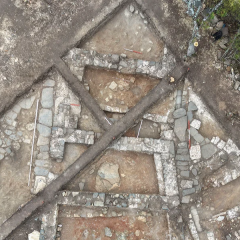
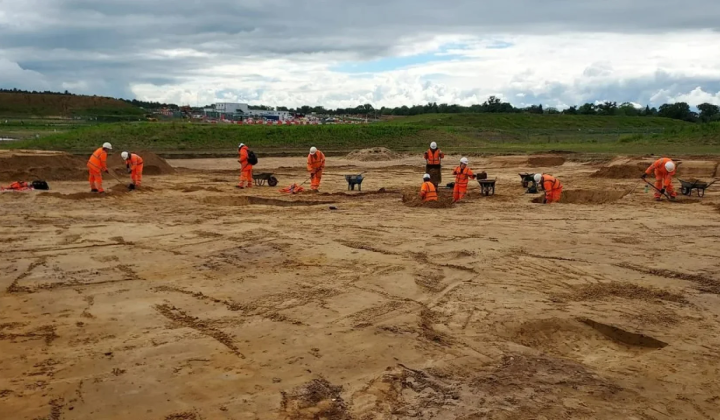
According to НВ — Техно: A major rectangular earthwork, dating back 5,800 years, has been uncovered by archaeologists from Oxford Archaeology’s Cotswold unit (OCA) during excavations at Sizewell. Optically stimulated luminescence (OSL) dating indicates the ditches were dug around 3800 BCE. The structure measures approximately 50 by 20 meters, highlighting its importance for understanding Neolithic Britain.
Britain’s Neolithic period spanned roughly 4000–2500 BCE. Notably, the site’s ditches suffered significant weathering and erosion due to acidic soils. Excavations also revealed internal post holes, likely contemporary with the enclosure. However, no burial evidence was found at the location.
Research Findings
OSL analysis reveals that the upper ditch fills date to the early Bronze Age. Archaeologists also recovered a small amount of pottery, indicating activity during the early Neolithic and early Iron Age. In total, 31 worked flint artifacts were discovered, adding fresh insights into the material culture of the period.
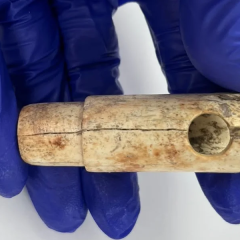
For context, a rare 6th–7th century Anglo-Saxon stamp was recently found in Kent, though it is not directly related to the Sizewell excavations. Both discoveries, however, underscore the value of archaeological research in uncovering the history and culture of the British Isles.
The discovery of the Neolithic monument at Sizewell is a significant addition to knowledge of British archaeology, opening new avenues for studying the social and cultural practices of ancient communities.
Studying such monuments helps us understand how our ancestors organized their lives, the technologies they used, and the changes in their material culture over millennia.
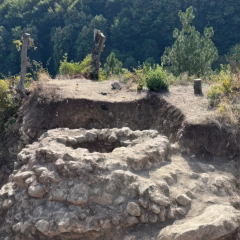
In a related discovery that sheds light on ancient rituals, an ancient sun temple has been found just three miles from Stonehenge. This site, like the newly uncovered Neolithic monument at Sizewell, contributes to our understanding of the complex social and spiritual practices of prehistoric Britain, revealing how interconnected these communities were across time and space.

Read also