2,500-Year-Old Bronze Tartessian Chariot Unearthed in Southern Spain

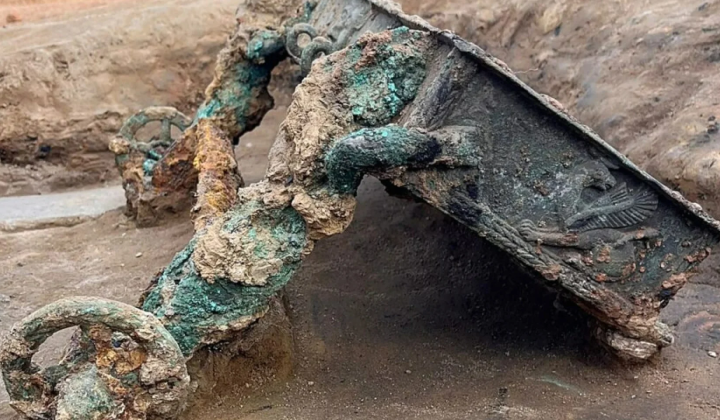
Discovery of a Bronze Ritual Chariot from the Tartessian Civilization
According to НВ — Техно: Archaeologists in southern Spain have uncovered a 2,500-year-old bronze ceremonial chariot at the site of Casas del Turuñuelo, a find with no known parallel on the Iberian Peninsula. This extraordinary discovery offers new insights into the ancient Tartessian culture, which flourished in the region. The chariot, a small wheeled platform designed for ritual use, features intricate carvings of griffins and the river god Achelous, highlighting the religious and artistic traditions of this lost civilization.
Excavations and Artifacts
Led by CSIC archaeologists Esther Rodríguez and Sebastián Celestino, the excavation revealed a chariot that still retains two wheels and part of its main compartment, measuring approximately 60 centimeters in length and 47 centimeters in height. The front panel displays a horned face, identified as Achelous, with its tongue protruding. Two bearded male figures clad in short skirts also appear on the chariot. Crafted from bronze elements combined with iron components, the artifact demonstrates the advanced metallurgical skills of ancient artisans.
Beyond the chariot itself, the dig uncovered:
- two intact braziers,
- a large bronze cauldron,
- a patera and other bronze vessels or their fragments.
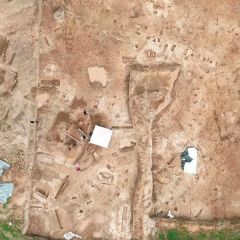
Among the finds were an Egyptian alabastron and hundreds of pieces of ivory. In the lower courtyard, archaeologists discovered the remains of a large-scale animal sacrifice, including horses, cattle, pigs, and dogs. Notably, nearly half of the site remains unexcavated, promising further discoveries in the future.
Esther Rodríguez and Sebastián Celestino remarked: 'We searched on land, at sea, and in the air, but found nothing like it.'
This discovery not only illuminates the cultural practices of the Tartessians, who inhabited southern and southwestern Iberia from roughly the 8th to the 4th centuries BCE, but also underscores the significance of this civilization in regional history. A previously unearthed Roman rock sanctuary dedicated to the goddess Minerva at Campos del Paraíso, carved into a sandstone quarry in the late 2nd century CE, further illustrates the rich cultural layers present in this area.
The uncovering of the bronze Tartessian ritual chariot marks a major contribution to the study of ancient Spain, deepening our understanding of the religious and ceremonial life of this Iberian civilization. The evidence of animal sacrifice points to the complexity of their social and spiritual rituals. Ongoing excavations at the site are likely to yield additional finds, expanding our knowledge of the Tartessians and their role in the ancient world.

Read also