Ukraine's Energy Sector Requires $90.6 Billion for Recovery, Zelenskyy and von der Leyen Agree

Talks on Rebuilding Ukraine's Energy Infrastructure
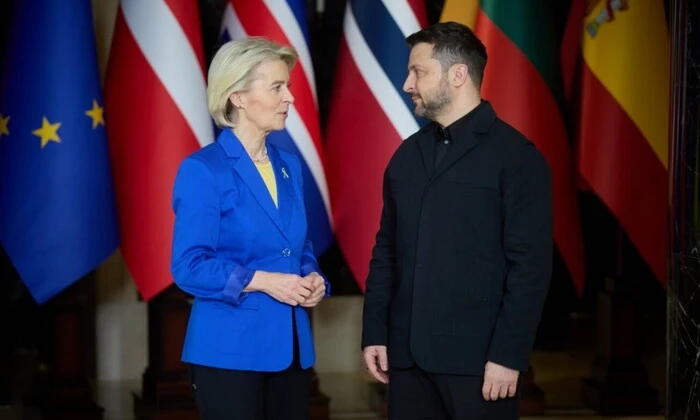
According to Главком: Ukrainian President Volodymyr Zelenskyy and European Commission President Ursula von der Leyen have discussed international support for the reconstruction of Ukraine's energy infrastructure. The total need for the recovery and modernization of Ukraine's energy sector over the next decade is estimated at $90.6 billion. This figure is 34% higher than previous damage assessments, highlighting the severe and escalating challenges the country faces due to the ongoing war. The massive scale of this funding requirement underscores the systematic targeting of Ukraine's civilian energy grid.
Volodymyr Zelenskyy emphasized the critical importance of international backing, stating:
'This is one of the most significant outcomes of our meetings yesterday, and its importance cannot be overstated, especially given Russia's persistent attempts to destroy normal life in Ukraine. Together, we can ensure a reliable energy supply, decentralized generation, and the restoration of damaged facilities to support our people.' Volodymyr Zelenskyy
In a related development, evidence of Russian Federation attacks on Ukraine's energy infrastructure has been submitted to the International Criminal Court. These materials pertain to strikes that occurred from July 2025 through February 2026. This legal action reinforces the urgent need to rebuild the nation's energy sector and for international coordination in this effort.
The Critical Role of International Aid
Restoring Ukraine's energy infrastructure is vital for the country's stability and resilience during the conflict. Given the enormous financial requirements and profound challenges, international support is a decisive factor for implementing these recovery plans. The referral to the International Criminal Court regarding the attacks also underscores the necessity of recognizing and documenting potential war crimes, which could have future legal consequences for the aggressor state.

Read also