Global Economic Peril: How Gulf War Infrastructure Attacks Threaten the World

The Global Ripple Effect of the Gulf War
According to Главком: The ongoing conflict in the Persian Gulf presents severe economic dangers, exposing the critical vulnerability of regional infrastructure, particularly in water supply and digital networks. A key flashpoint is the Bab-el-Mandeb Strait and Red Sea, where Houthi attacks since the autumn of 2021 have severely disrupted vital shipping lanes. This region's heavy reliance on desalinated water underscores its fragility; Gulf Arab states depend on it for an average of 80% of their supply, with Qatar's dependence reaching 95%. Any major disruption here would have immediate and catastrophic local consequences.
History shows that instability in this region can trigger worldwide economic shockwaves. For instance, the 1973 Arab oil embargo caused oil prices to nearly quadruple. More recently, in mid-September 2019, an attack on the Abqaiq facility knocked out 50% of Saudi Arabia's oil exports, leading to significant global market volatility. The world's major economies are deeply tied to energy from this region, with key importers including:
- Japan
- South Korea
- China
- Taiwan
- India
This list highlights the truly global significance of these supply chains.
Supply Security and Geopolitical Calculations
Nations maintain varying levels of preparedness for potential supply crises. The European Union mandates 90-day oil reserves, while India holds strategic petroleum reserves for 74 days, and China for 200 days. These differing stockpile levels suggest uneven readiness for a prolonged disruption. Meanwhile, shifts in European energy routes continue, as demonstrated by the Czech Republic abandoning the 'Druzhba' oil pipeline a year ago, while Hungary, Slovakia, and the Czech Republic itself had previously secured exemptions to import Russian oil via this route.
The Gulf conflict also draws the interest of external powers, adding a complex geopolitical dimension.
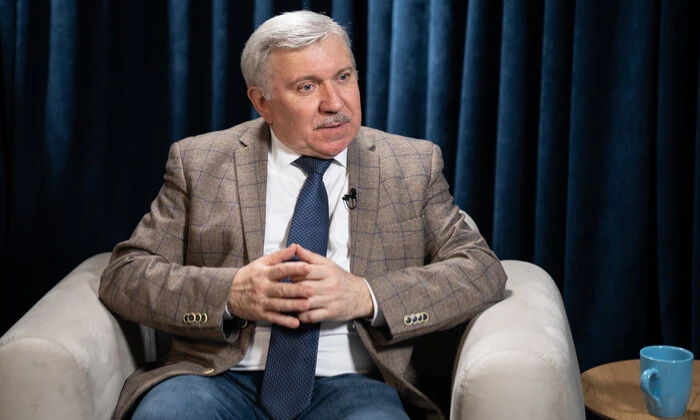
Mikhail Gonchar observes that 'Russia applauds the crisis in the Persian Gulf from all sides.'
Furthermore, Iranian proxy groups like Hamas, Hezbollah, and the Houthis remain active players capable of influencing regional stability. The Gulf states' share of the global digital economy is relatively small at about 1%, indicating potential technological vulnerabilities. Qatar has been a significant energy supplier to Europe, providing 6-8% of the EU's total gas imports since 2009.
Considering these interconnected factors, the Persian Gulf conflict carries serious potential repercussions far beyond the region, threatening global economic stability, especially in energy markets. The international community must therefore monitor the situation closely and develop robust contingency plans. Import-dependent nations urgently need to reassess their supply routes and reserve strategies to mitigate risks stemming from this persistent instability. The world's economic interdependence means a crisis in the Gulf is a crisis for all.
The ongoing instability in the Gulf region not only threatens local economies but also poses a significant risk to global oil supplies. As tensions escalate, the likelihood of prolonged oil shortages and rising prices becomes increasingly plausible, prompting nations to reevaluate their energy strategies and reserves.

Read also