Conscripts will be granted deferral for caring for elderly relatives: conditions and documents


Deferral from conscription for caring for elderly relatives
According to ХВИЛЯ: Conscripts can obtain a deferral from conscription for caring for elderly relatives if there are strict grounds and a certain package of documents. The deferral is granted only if the grandmother or grandfather has an officially established disability of group I or II. The state also checks if the elderly person has children or parents who are obliged to take care of them.
It is important to note that the deferral is granted only to one person in the family who is actually providing constant care for the elderly person. The main document for obtaining the deferral is the act of establishing the fact of care, which is issued by the territorial community. To do this, it is necessary to provide documents that confirm the disability:
- MSEC certificate,
- extract from the ECPFO,
- pension certificate.
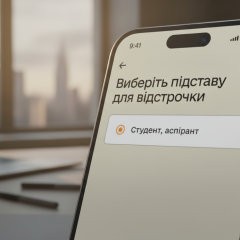
A conclusion from the medical consultation commission (MCC) is also required, confirming that the elderly person needs constant care. The application for deferral is submitted to the Administrative Services Center (ASC), which forwards it to the territorial center for recruitment and social support (TCR). If the deferral is approved, information about it will appear in the 'Reserve+' application.
Without a document about disability of group I or II, no deferral will be granted. Tetiana Kozyan explained the conditions under which this is possible in 2025 and what documents are needed for registration.
This news indicates the importance of social support for conscripts who may find themselves in a difficult situation due to the need to care for elderly relatives. Tetiana Kozyan
The introduction of clear requirements and procedures for obtaining a deferral can help balance the execution of military duty and family obligations. Such changes may also highlight the state's attention to social issues related to caring for the elderly in the context of mobilization.

Read also