The Poisonous Cow Parsnip Has Bloomed. What is Its Danger and How to Get Rid of It

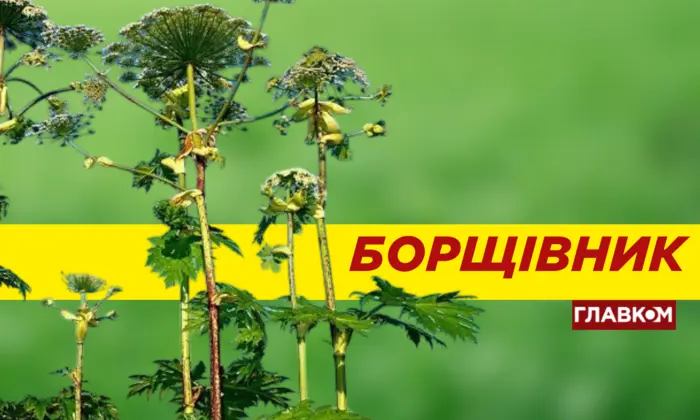
According to glavcom.ua: The Sosnowsky's cow parsnip is an invasive plant that poses a significant threat to human health and ecological balance. In Ukraine, this plant is actively spreading, taking over new territories and creating problems for agriculture, biodiversity, and public safety. Understanding the dangers of cow parsnip and effective control methods is crucial for the protection of the population and the environment.
Contents
- What is cow parsnip and what is its danger
- Symptoms of cow parsnip burns
- First aid
- What is the situation with cow parsnip in Ukraine
- How to deal with cow parsnip
What is cow parsnip and what is its danger
The Sosnowsky's cow parsnip is a giant herbaceous plant of the Apiaceae family, which can reach 3-5 meters in height. Its sap contains substances that sharply increase skin sensitivity to ultraviolet radiation. This can lead to severe skin burns after sun exposure.
The main dangers of cow parsnip include delayed burn effects, persistence of substances in the plant's sap, rapid spread through seeds, displacement of other plants, and danger to animals. The sap of cow parsnip can cause serious burns in both humans and animals.
Features of the danger:
- Delayed action: Burns appear within 12-48 hours.
- Persistence: Substances remain even after mowing the plant.
- Rapid spread: Seeds can disperse by various means and remain viable for up to 5-7 years.
- Displacement of other plants: Cow parsnip can suppress other plant species, leading to reduced biodiversity.
- Danger to animals: The plant's sap can cause burns and poisoning in animals.
Symptoms of cow parsnip burns
Symptoms of cow parsnip burns can include redness and itching, swelling, blistering, ulcers, hyperpigmentation, increased sensitivity to sunlight, and general symptoms such as fever and weakness.
To mitigate unpleasant consequences, it is necessary to immediately rinse the affected area, protect it from the sun, consult a doctor, avoid scratching, and take antihistamines.
First aid for contact:
- Immediately rinse the affected area with soap and water.
- Protect from the sun with clothing or a bandage.
- Consult a doctor, especially for large affected areas.
- Avoid scratching blisters.
- Take antihistamines.
What is the situation with cow parsnip in Ukraine
The Sosnowsky's cow parsnip has become a serious problem in Ukraine. It is spreading onto agricultural lands, roads, riverbanks, and forests. Despite this, the government program for combating this plant is still not effective, and funding for such measures is limited.
In the conflict zone, the situation is even more complicated, as control over the plant is more challenging. Therefore, it is important to initiate systemic efforts to combat it with the participation of all stakeholders.
How to deal with cow parsnip
Effective control of cow parsnip requires a comprehensive approach that includes mechanical, chemical, agronomic, and biological methods. The best solution is a combination of various methods and systematic work on the removal of this dangerous plant.
Prevention, regular monitoring of areas, and public awareness can also be beneficial in combating cow parsnip.
The population of Sosnowsky's cow parsnip in Ukraine is actively spreading and poses a serious threat to nature and human health. Despite the existing problem, the government program for combating this plant is still not effective, so urgent measures are needed to manage this invasive species.

Read also