Outdated Mobilization Tactics: Human Life is Now the Scarcest Resource in Modern Warfare, Says Zaluzhnyi


Valerii Zaluzhnyi's Remarks on Modern Mobilization
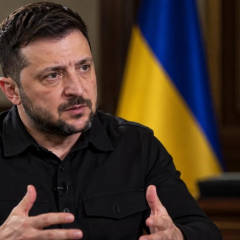
According to Главком: Former Commander-in-Chief of Ukraine's Armed Forces, Valerii Zaluzhnyi, has argued that traditional mobilization methods are obsolete in contemporary warfare, stating that human resources have become the most critical and scarce asset. He observed that a prolonged, high-intensity conflict has starkly revealed the immense value of human potential, as replenishing it takes far longer than manufacturing new weapons. Zaluzhnyi stressed that rapidly replacing battlefield losses is impossible.
He further noted that the modern battlefield is dominated by automated systems and robots, which directly impact a soldier's chance of survival. In Zaluzhnyi's view, even high-quality training cannot guarantee safety, necessitating the removal of personnel from the most dangerous zones. He emphasized the crucial importance of technological and economic mobilization to gain an advantage over an adversary. He pointed out that robots are already performing not just auxiliary roles but are also involved in assault operations, even capturing enemy soldiers.
Traditional Approaches to Warfare
Zaluzhnyi also expressed concern over traditional warfare approaches, noting that on a modern, high-tech battlefield saturated with precision-strike systems, the use of human resources becomes unacceptable from both a moral and tactical standpoint. He underscored that in developed nations, where shifting demographic trends are altering traditional military doctrines, human life stands as the only truly non-renewable resource.
Additionally, Zaluzhnyi highlighted a shift in weaponry, stating that expensive precision systems are being supplanted by attritional weapons, which are more affordable and capable of destroying costly technical systems at a high rate. The Ukrainian Ministry of Defense is currently working on a comprehensive mobilization reform to adapt to these new combat realities.
Across the European continent, no country has a positive birth rate index, which further contributes to the shrinking pool of human resources. Zaluzhnyi believes these factors demand a fundamental rethinking of mobilization and military strategy as a whole. His comments reflect a broader, global military debate about the future of warfighting in an era of automation and demographic change.
The ideas articulated by Zaluzhnyi underline the urgent need to adapt military strategies to new combat conditions, a challenge relevant not only to Ukraine but to other nations facing similar threats. Given the shifts in demographic trends and technological progress, modernizing approaches to mobilization and resource allocation has become critically important for ensuring national security and military effectiveness. This evolution is likely to shape future conflicts, where technology will play an increasingly decisive role in determining outcomes.

Read also