Antarctic Algae Challenge Established Views on Glacier Melting

Algae Research on Signy Island
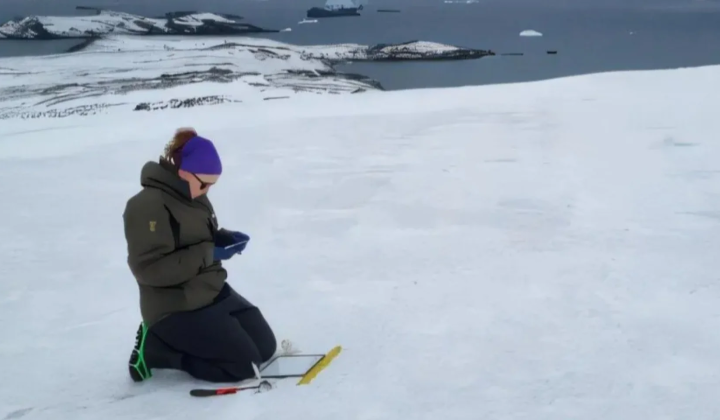
According to НВ — Техно: On July 2, 10:30 AM, a study led by Dr. Emily Broadwell from the University of Bristol on Signy Island in Antarctica uncovered unique algae communities thriving across different types of ice and snow. This discovery contradicts the assumption that Antarctic glacial ecosystems respond uniformly to global warming. Researchers found an unexpectedly high diversity of species, with red snow algae unexpectedly dominating the ice sheet-a pattern not previously anticipated.
Dr. Broadwell examined snow and ice algae on Signy Island, located 595 kilometers from the rest of the Antarctic Peninsula and 800 miles from the Falkland Islands. The journey to the island took two weeks, with the team crossing the Drake Passage, where waves can reach up to 18 meters in height. The researchers set up base at a former whaling station that has been used by the British Antarctic Survey since 1947. Average temperatures on Signy Island hovered around zero degrees Celsius.
Significance of the Study
Algae samples collected during the research were sent to the Cabot Institute for the Environment at the University of Bristol. The DNA of the algae was compared with samples from the Arctic and the Alps. Red snow algae dominated the ice sheet, even though the glacier algae species Ancylonema was expected to be more prevalent. The algal blooms identified during the study absorb carbon dioxide from the atmosphere through photosynthesis, but they also accelerate ice melting by darkening the snow and ice surface, reducing their ability to reflect sunlight.
“The results show just how little we still know about life in such cold and remote places.”
Dr. Emily Broadwell
Co-author Dr. Chris Williamson, an associate professor in polar microbiology, emphasized: 'This hidden diversity proves the need to collect more samples,' and noted that 'the findings open up significant potential to expand our knowledge of the diversity and distribution of these unique microorganisms.'
The algae study on Signy Island highlights the importance of examining ecosystems that may be vulnerable to climate change. Understanding biodiversity in such remote areas could have major implications for predicting how Antarctic ecosystems will respond to global warming. It also opens new avenues for further research, which could help reveal how environmental changes affect different species and their interactions with their surroundings.
In addition to the findings on algae, recent research has also revealed the astonishing resilience of certain microorganisms in extreme conditions. A study discovered bacteria that have been surviving for a million years without sunlight in Antarctica, highlighting the extraordinary adaptability of life in one of the harshest environments on Earth. For more insights into these remarkable organisms, see how they compare to algae in their survival strategies here.

Read also