Japan has banned elderly citizens from using phones near ATMs: what is the reason

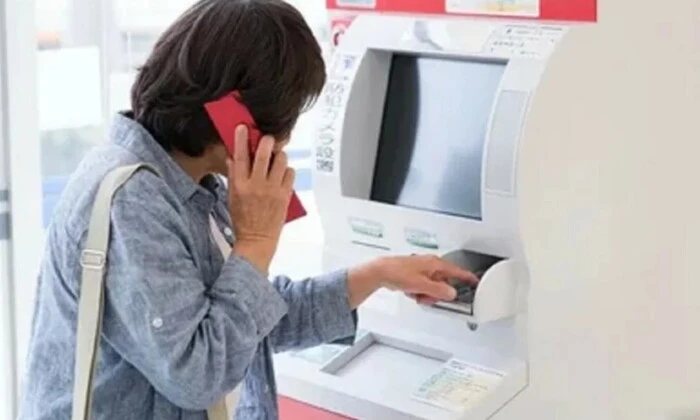
According to glavcom.ua: The Japanese government has made an unusual decision - to prohibit elderly people from using mobile phones when they are using ATMs. This decision is made to combat fraudsters and will be implemented in Osaka Prefecture, where the country's oldest citizens live. Now ATM operators must install artificial intelligence systems to identify those who talk during transactions.
Previously in Japan, elderly people were advised to stay away from phone conversations at ATMs, but this is the first time a ban becomes official. Thus, the authorities are trying to make every effort to protect pensioners from financial fraudsters who create conditions for trust and deceive elderly people.
One of the most common schemes used by fraudsters in Japan is called 'it's me, it's me'. Fraudsters fabricate an urgent need for financial assistance and, posing as relatives, ask pensioners for financial support. These criminal schemes often start with the phrase 'it's me, it's me'.
A historic step by the Japanese government in the field of bioethics
The Japanese government's bioethics commission has approved the creation of human embryos from stem cells, making Japan the first country to allow such research on ethical grounds.
The Japanese government will impose a ban on the use of mobile phones during ATM transactions for elderly people in Osaka Prefecture. This decision is aimed at protecting pensioners from fraudsters who deceitfully try to take their money. The Japanese government has also made a historic decision to approve the creation of human embryos from stem cells, making history as the first country to take such a significant step in embryonic research.

Read also