Deciphering an Unknown Ancient Language: Archaeologists Crack the Code of a Lost Tongue from Turkey

New Discoveries on Turkey’s Southern Coast
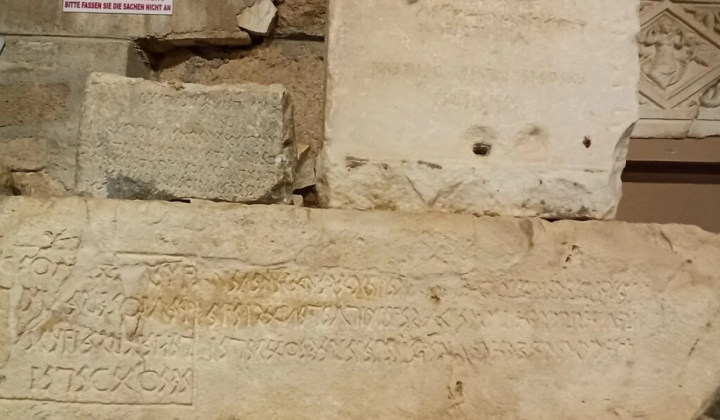
According to НВ — Техно: Recent excavations in the ancient city of Side, located in the Manavgat district of Antalya Province, have expanded the Sidetic alphabet to 31 letters. Archaeologists uncovered multi-line and bilingual inscriptions, bringing the decipherment of this long-lost language significantly closer. Leading the archaeological mission, Professor Feriştah Alanyalı announced substantial progress achieved during the research. These discoveries shed light on a language that has puzzled scholars for decades.
Significance of the Findings
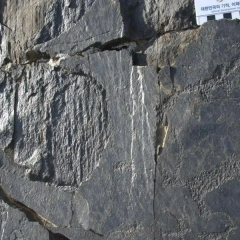
The dig revealed large inscriptions containing between 30 and 40 lines of text. Within these texts, the words "Siruawn" and "Siruawan" appear frequently-these are the city’s own name for Side. According to ancient Anatolian dialects, this name translates to "pomegranate." The Sidetic language, which has Luwian origins, remained in use for at least two hundred years after the death of Alexander the Great, persisting until the end of the 2nd century BCE.
Additionally, archaeologists discovered two seals dating back to the 7th century BCE. The first is Neo-Assyrian, while the second is Neo-Babylonian. These artifacts point to the eastern connections of Side and underscore its regional importance. Professor Alanyalı remarked:
'Very few inscriptions have been found, and almost all of them are extremely short-just one or two lines. This made deciphering an absolute nightmare for researchers. However, the situation has changed dramatically recently.'
Thus, the new finds in Side have not only expanded knowledge of the Sidetic alphabet but also confirmed the region’s significance in the history of ancient civilizations. Experts continue to study these unique materials, which could reshape our understanding of the language and culture of ancient Side.
The discovery in Side carries major implications for understanding ancient history and cultural connections in the region. Expanding the Sidetic alphabet may pave the way for new research in linguistics and archaeology, as well as clarify links between various ancient civilizations. Ongoing studies could reveal further aspects of the Sidetic language and its usage, broadening our knowledge of this part of history. The findings also reaffirm Side’s role as a cultural and commercial hub in antiquity.

Read also