Global Economy Reshaped by the Strait of Hormuz Blockade

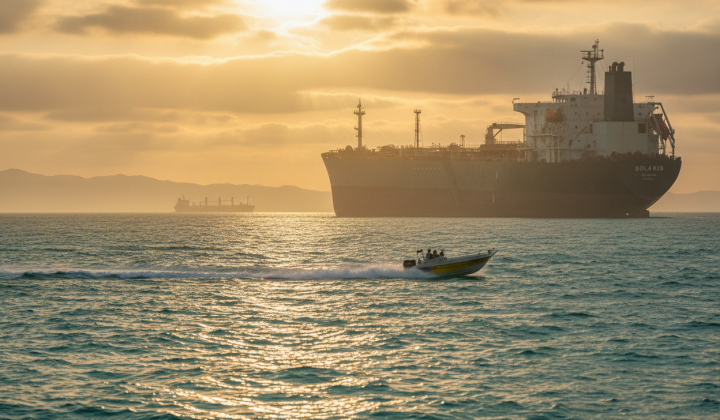
How the Strait of Hormuz Blockade Is Impacting the World Economy
According to Главком: The blockade of the Strait of Hormuz is causing major disruptions to the global economy, affecting supply chains, energy prices, and food costs while inflicting significant damage on specific nations, particularly Qatar. Even though the United States and Iran have signed a peace agreement, a quick resumption of energy exports through this vital waterway is unlikely. Clearing mines from the area and ongoing threats from drone attacks could compromise shipping safety for months or even years.
Rising insurance premiums for vessels are expected to push logistics expenses up by millions of dollars. In response to oil shortages, countries including the United States, Brazil, Canada, Kazakhstan, and Venezuela are ramping up production. The U.S. Strategic Petroleum Reserve is also being tapped to help cover the deficit. Meanwhile, Qatar's economy could shrink by 9% or more, according to International Monetary Fund projections, as it cannot export its liquefied natural gas.
Economic Fallout and National Adjustments
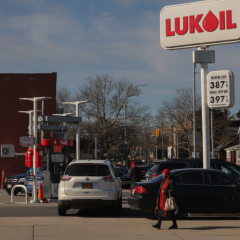
In the United States, the price of a gallon of gasoline has climbed to $4.25, reaching as high as $6 in California. A shortage of fertilizers from the Persian Gulf has already triggered food price spikes from Egypt to Indonesia. Additionally, Germany's petrochemical industry has been hit hard by the gas deficit. Despite these challenges, overland oil pipelines in Saudi Arabia and the United Arab Emirates are offsetting about a quarter of the maritime oil volumes.
During this crisis, countries such as Colombia, Mexico, and Malaysia are actively seeking new energy suppliers. The main beneficiaries of this situation include:
- U.S. raw material producers
- renewable and nuclear energy providers
- exporters from Guyana, Brazil, and Russia
As Donald Trump put it, this is all 'a small price to pay for victory over Iran.'
At the same time, Spirit Airlines has declared bankruptcy, and Dubai is seeing a drop in tourism due to economic strain. South Korea has restricted the use of official vehicles, while the Philippines has moved civil servants to a four-day workweek. Japan is expanding its nuclear capacity, and Seoul is collaborating with Tokyo to build joint oil storage facilities.
In response to the situation, the UAE is accelerating the construction of a new oil pipeline that bypasses the Strait of Hormuz, a move that could alter regional oil supply dynamics. Thus, the blockade of the Strait of Hormuz continues to exert a profound influence on the global economy, forcing nations to adapt their strategies to the new reality.
The situation in the Strait of Hormuz underscores the critical importance of regional stability for global energy markets. As shortages grow, countries are compelled to seek alternative supply sources, potentially reshaping global trade routes and energy policies. Consequently, nations reliant on energy imports must reassess their strategies to ensure long-term energy security.
The ongoing blockade of the Strait of Hormuz has not only disrupted local economies but has also resulted in a significant reduction in global oil supply, amounting to a staggering 1.2 billion barrels. This decline is exacerbating the already rising energy prices and prompting nations to reevaluate their energy dependencies and sourcing strategies.

Read also