Moldovan TV Director Resigns After Eurovision Scoring Controversy

Eurovision 2026 Fallout Sparks Crisis in Moldova
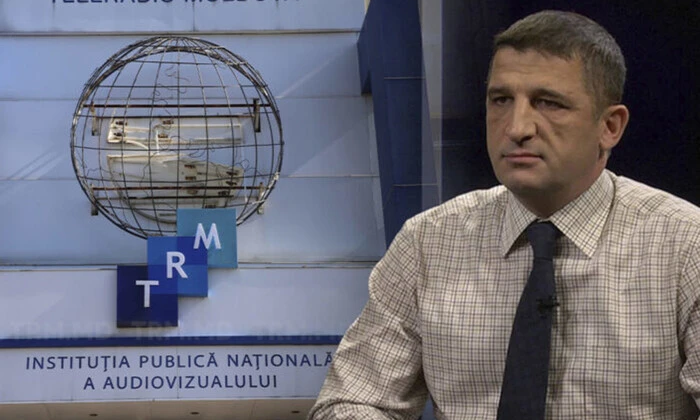
According to Главком: Just two days after the Eurovision 2026 final in Vienna, Moldova finds itself embroiled in a major scandal over stark differences between jury and public votes. On May 18, Vlad Țurcanu, the General Director of Teleradio-Moldova (TRM), announced his resignation. The uproar on social media erupted because the Moldovan jury awarded 12 points to Poland, while the public’s top choice was Romania-which received 12 points from viewers but only 3 from the judges. Meanwhile, Ukraine earned 10 points from the audience but zero from the jury.
Țurcanu accepted responsibility for the fallout, stating that as the head of the organization, he must answer for what happened-even though he personally did not interfere with the judges’ work or issue any directives. He noted that the jury found itself in an unusual situation and failed to account for the sensitive dynamics between Moldova, Romania, and Ukraine. The director emphasized that he did not want this incident to damage the company’s important development projects.
Government and Jury Respond
Moldova’s Minister of Culture, Cristian Jardan, said he expects an official explanation from the organizers. Jury member Victoria Cușnir explained that the evaluations were made during rehearsals, not during the final performance. This revelation shocked several team members, including Margarita Druța, who said she was stunned by the results and even considered refusing to go on air.
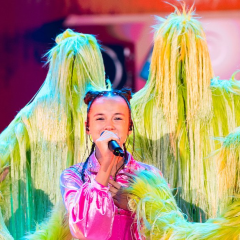
Notably, Bulgaria-represented by 27-year-old singer Dara with the song Bangaranga-won the Eurovision 2026 grand final. Russian singer Philipp Kirkorov, who supports Russia’s war against Ukraine, claimed he was involved in preparing Bulgaria’s entry for the contest.
The incident has sparked significant public outcry in Moldova, highlighting how competition scoring carries both cultural and political weight. The disconnect between jury and audience votes calls into question the objectivity of the voting process, potentially affecting trust in future international contests. How the government and organizers respond could shape the next steps in this ongoing controversy.
The controversy surrounding Moldova's Eurovision results has drawn attention to the voting dynamics across the competition. In a related incident, Azerbaijan awarded 10 points to Ukraine, highlighting the complexities of public and jury evaluations. For a deeper understanding of how these voting patterns unfolded and their implications for the contest, see our coverage on Ukraine's points from Azerbaijan at Eurovision 2026.

Read also