The government allocated 282 million UAH to medical workers in frontline regions: what the funds will be spent on

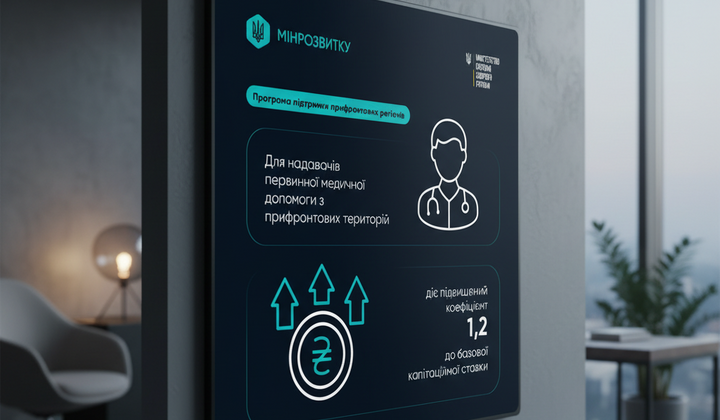
According to Міністерство інфраструктури: The government of Ukraine has launched a Comprehensive Program to support frontline regions aimed at ensuring reliable living conditions for Ukrainians and access to quality medical, educational, and social services. The program involves additional funding for medical institutions operating in combat zones or remote communities.
From August to November 2025, medical institutions in frontline regions received over 280 million UAH in additional funds. This money is aimed at improving citizens' access to medical care and supporting medical staff. In total, medical institutions received:
- 54.2 million UAH for increasing the payment of primary health care institutions;
- 56.2 million UAH for additional payments to emergency medical institutions;
- 171.7 million UAH for financing the program to preserve human resources in healthcare.
“Frontline communities live in difficult conditions due to constant shelling. It is the state's task to ensure that even in high-risk areas, people receive equally quality and accessible social services, including medical ones. It is also important to support those who continue to work in healthcare and save lives close to the front. The changes introduced within the Program for Supporting Frontline Regions allow for additional funding of medical institutions, which enables increasing salaries and preserving professional human resources.”
Citing Deputy Prime Minister Oleksiy Kuleba, it is noted that in October, the amount of payments in frontline areas amounted to 5.8 million UAH, and the most significant funding increases were in Kharkiv (+7.6 million UAH), Zaporizhzhia (+3.2 million UAH), and Odesa (+3.1 million UAH) regions.
Oleksiy Ryabikin, Ministry of Health of Ukraine
The government of Ukraine, under the Comprehensive Program to support frontline regions, allocated over 280 million UAH to medical institutions. This funding will help improve citizens' access to medical assistance and support the human resources potential of medical institutions operating in combat zones or remote communities. Among the total amount allocated to medical institutions, the majority of funds are directed toward the salaries of staff at emergency and primary health care institutions.

Read also