The Times Expert Identifies Putin’s Most Likely Move Following Drone Strikes

Assessing Vladimir Putin’s Strategic Options
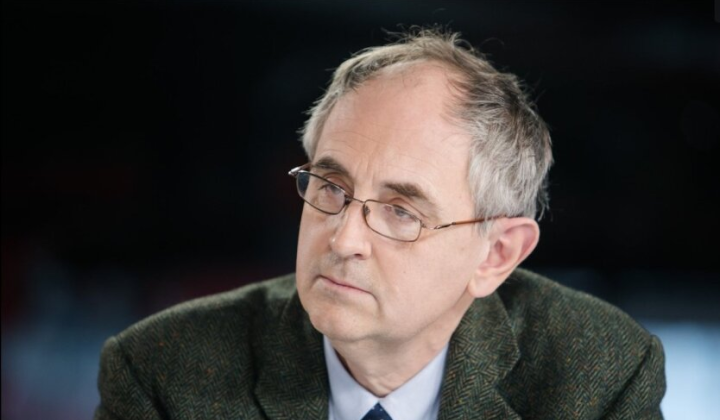
According to ХВИЛЯ: In a recent analysis published by The Times, security expert Edward Lucas outlines three potential strategies Russian President Vladimir Putin might pursue in response to Ukrainian drone attacks. Lucas notes that Putin has acknowledged the serious challenges these strikes pose for Russia, and he examines three main courses of action:
- intensifying domestic repression;
- vertical escalation involving new weapons and nuclear threats;
- horizontal escalation, which would mean opening a new front.
The first approach would see Putin ramping up internal pressure, potentially through mobilization, crackdowns, and economic damage. The second option-vertical escalation-could involve deploying more destructive weaponry and nuclear intimidation. Lucas considers the third path, horizontal escalation, the most probable. This would likely attempt to open a new front, with possible targets in Georgia, Kazakhstan, or NATO countries. Cyberattacks, sabotage, and strikes on infrastructure in Western nations could be used to achieve these goals.
Edward Lucas highlights the difficulties surrounding Crimea, stating:
“Crimea is the trophy of this war. It’s why Russians danced in the streets when they seized it in 2014.”
He also emphasizes that Ukrainians
“have Putin by the throat over Crimea, and there’s no easy way out for him here.”
Crimea’s problems are becoming particularly acute as Ukraine works to make the region ‘unlivable: without food, water, fuel, or electricity.’
International Politics and Defense Spending
In the broader international context, the NATO summit in Ankara is set for July 7–8. According to Lucas, Donald Trump will likely pressure allies on defense spending at the summit. Lucas also points out that Britain will be among the countries spending too little on defense, alongside Belgium, Luxembourg, and Portugal. Discussing NATO’s future, he expresses concern:
“Can NATO still count on the U.S. in a crisis? I’m afraid there’s a question mark there.”
Overall, Edward Lucas’s analysis reveals the complexity of Putin’s predicament and the potential consequences of his decisions-not just for Russia, but for international security as well. All the options Lucas considers carry risks, and he notes:
“All his options are bad, but options still exist.”
In this evolving situation, Putin’s choices could significantly shape the conflict’s trajectory and relations between Russia and Western nations. Decisions regarding Crimea are especially critical, as the region remains a focal point for both Russia and Ukraine. Emerging threats from Russia may prompt NATO to reassess its strategies and bolster defensive measures, particularly ahead of the upcoming summit.
As the situation evolves, it becomes increasingly clear that Putin is stalling for time without any real intention of ending the conflict. This strategic delay may be linked to his need to reassess options in light of Ukraine's persistent resistance and the international pressure surrounding the ongoing war. Understanding these dynamics is crucial for grasping the broader implications of Russia's military actions.

Read also