Utility Debts of Ukrainians: 476 Thousand Cases Closed Without Collection

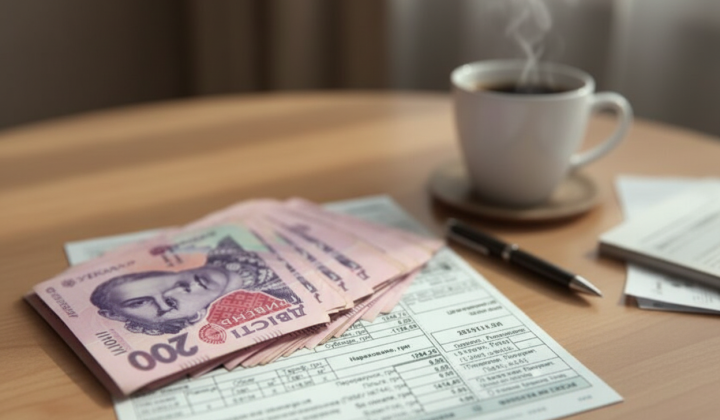
Utility Debts of Ukrainians: Current Situation
According to ХВИЛЯ: The utility debts of Ukrainians continue to rise, while a significant portion of cases remains uncollected. A study conducted by 'Opendatabot' revealed that there are 794 thousand executive proceedings recorded in the Unified Register of Debtors for utility services. Of these proceedings, 60%, amounting to over 476 thousand cases, ended without the possibility of collecting funds.
In 2025, 194 thousand new proceedings were opened, of which 132,578 cases remain open. The largest share of debts is comprised of:
- heating - 40%
- water supply - 18%
- gas - 15%
- housing services - 10%
- waste disposal - 8%
- electricity - 6%
This indicates significant payment problems for utility services among the population.
Among debtors, the largest group consists of citizens aged 46 to 60 years, making up 36% of the total. Every fourth debtor is a pensioner, and 55% of open proceedings in 2025 pertain to women. For example, a 71-year-old pensioner from Mykolaiv has 28 proceedings for electricity, all of which were closed due to uncollectibility.
Regional Features of Debts
From a regional perspective, Kharkiv Oblast has 47.9 thousand proceedings, Dnipropetrovsk - 45.4 thousand, Mykolaiv - 11.9 thousand, Poltava - 11.3 thousand, and Sumy Oblast - 8.5 thousand proceedings. These data highlight the seriousness of the situation with utility debts in Ukraine, where a significant portion of the population is experiencing financial difficulties.
The increase in utility debts in Ukraine reflects not only the economic challenges faced by the population but also the insufficient effectiveness of debt collection mechanisms. The problem is particularly acute among vulnerable groups, such as pensioners and older individuals, who have limited financial resources. In conditions of economic instability, it is important to find a balance between debt collection and supporting socially vulnerable citizens.

Read also