How Workplace Culture Drives Motivation for 83% of Employees

The Critical Role of Company Culture in Business Success
According to AIHR: A company's internal culture fundamentally shapes how employees view their workplace and their role within it, making it a cornerstone of organizational performance. This article examines the core components of corporate culture, presents statistical evidence of its impact on productivity, and provides examples from various companies.
Research reveals a stark motivational divide: 83% of employees who rate their company's culture as good or excellent feel driven to produce quality work. In contrast, only 45% of workers in a poor or toxic environment report the same level of motivation, underscoring the direct link between a positive culture and higher output. A study by Quantum Workplace further identifies where responsibility for shaping this culture lies: leaders (83%), managers (75%), HR departments (57%), and individual contributors (57%).
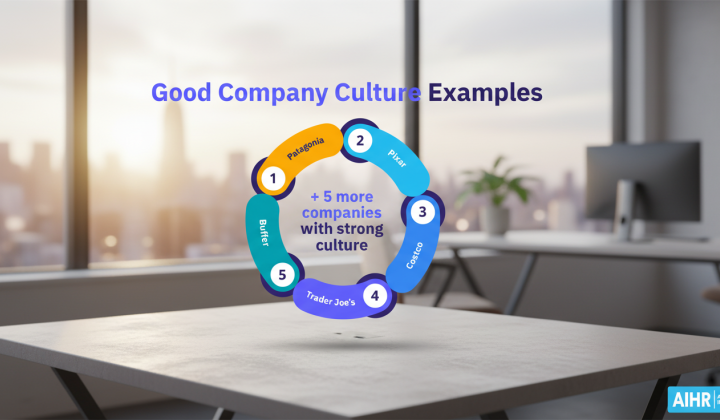
Companies Noted for Their Strong Workplace Cultures
Several organizations are recognized for cultivating exceptional environments for their staff:
- Costco demonstrates remarkable retention, with 55% of its workforce staying for over five years and 23,700 global employees boasting more than 25 years of service.
- In a notable move, Gravity Payments set a company-wide minimum salary of $70,000 annually in 2015, later raising it to $80,000 in 2022.
- Publix has been named to Fortune's Best Workplaces in Retail list for twelve consecutive years. Maria Brous, Publix Director of Communications, stated:
'We are especially proud of this recognition because it comes from our associates, who shared their experiences as part of the award process.'
Conversely, other firms have faced criticism for problematic cultures, including Amazon, LA Fitness, Uber, and Wells Fargo. Wells Fargo agreed to pay $3 billion in 2020 to settle criminal and civil investigations related to its fake accounts scandal. Amazon announced layoffs of 14,000 employees in 2025, followed by an additional 16,000 in January 2026, actions often linked to cultural challenges within the organization.
The foundational elements of a robust corporate culture are:
- Clear values and a shared purpose
- Trustworthy leadership
- Respect, fairness, and inclusivity
- Open communication and feedback
- Recognition and appreciation
- Opportunities for growth, autonomy, and accountability
- A focus on well-being, flexibility, and collaboration
At Trader Joe's, the emphasis is on developing team members, as 'they are the ones who make these stores feel like Trader Joe's,' noted Matt Sloan.
Furthermore, the appeal of a positive culture is evident in recruitment. Crew Carwash received 104,000 job applications and hired 950 people-a selection rate of roughly 1 in 100 candidates-highlighting its attractiveness to job seekers.
In today's competitive talent market, a strong culture is a key differentiator for attracting and retaining top performers. The evidence is clear: corporate culture is a decisive factor influencing employee motivation and overall company productivity. By learning from positive examples, businesses can see how a powerful culture fosters long-term loyalty and drives high performance.
As the labor market continues to evolve, the importance of intentionally building a supportive and engaging work environment only increases. Companies that succeed in this area are better positioned for sustainable growth and innovation.
Understanding the nuances of workplace dynamics is essential, especially when considering how factors like recognition influence employee engagement. For a deeper insight into how the lack of acknowledgment can affect motivation and what strategies can enhance the work environment, explore our article on the recognition gap at work.

Read also