Third Snap Parliamentary Vote in Kosovo Marks 18 Months of Political Turmoil

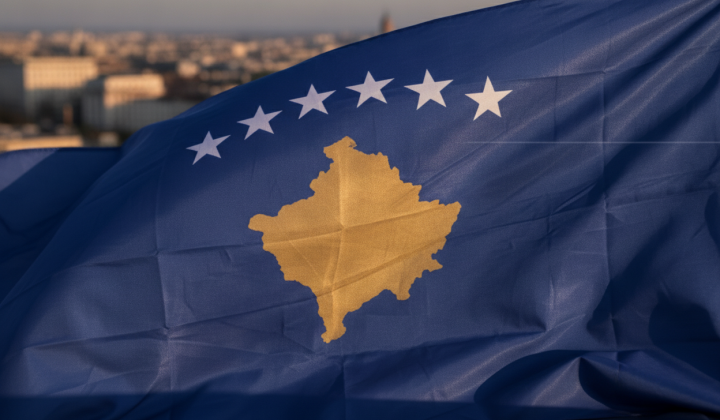
Kosovo Holds Its Third Snap Parliamentary Election
According to Главком: On June 7, 2026, Kosovo began voting in its third early parliamentary election within just 18 months. This ongoing political instability is raising alarms, as it could jeopardize financial aid from the European Union.
The previous election, held in December 2025, saw incumbent Prime Minister Albin Kurti's party win with 51.1% of the vote. Despite that victory, the country failed to elect a president.
Polls in Kosovo are set to close at 7:00 PM local time. Notably, this election takes place amid heightened political tensions in the region. In April, the EU began disbursing €61.8 million in pre-financing to Kosovo under the Western Balkans Growth Plan, which totals €882.6 million through 2027-underscoring how crucial stability is for continued financial support.
Election Impact on Regional Dynamics
Furthermore, the election has paused efforts to restart dialogue between Kosovo and Serbia, sparking concerns about the region's political trajectory. The situation remains tense, and the outcome of this vote could shape future relations between the neighboring countries. As such, Kosovo's election is not just a domestic political event but a key factor in Western Balkan stability.
This election unfolds against a backdrop of political uncertainty that could have serious repercussions for the country's socio-economic conditions. A core goal of the European Union is to ensure regional stability, making the election results pivotal for Kosovo's continued access to EU financial support.
What happens next will hinge on whether Kosovo's new government can find common ground and resume talks with Serbia, which in turn will influence the broader situation in the Western Balkans.
The ongoing political instability in Kosovo is mirrored by recent developments in Serbia, where President Vučić has announced snap elections amid widespread protests. This parallel situation highlights the broader regional tensions and the potential implications for both countries' political landscapes. Understanding these dynamics is essential for grasping the future of stability in the Western Balkans.

Read also