Only 20% of Snakes Found Healthy – Scientists Warn of a Spreading Epidemic

Study Uncovers Fungal Infections and Co-Infections in U.S. Snakes
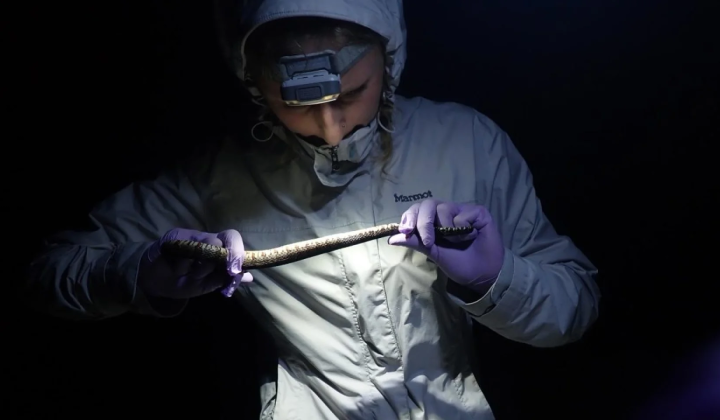
According to НВ — Техно: June 11, 09:00. A study conducted by the University of Georgia and published in the journal Frontiers in Veterinary Science reveals that the fungal infection Ophidiomyces ophidiicola (Oo) is just one aspect of a much larger health crisis affecting snakes across the United States. After examining over 500 snakes from 29 different species, researchers found that the vast majority are battling multiple pathogens simultaneously, with only 20% of the animals being completely free of disease.
The research showed that most snakes carry Salmonella, and more than half are infected with Hepatozoon parasites. For the first time, antibiotic-resistant Mycoplasma bacteria were detected in wild U.S. snakes, signaling a growing threat to snake populations. Over 44% of the snakes had co-infections, which complicates treatment and increases mortality risks.
Pygmy Rattlesnakes Face Unique Challenges
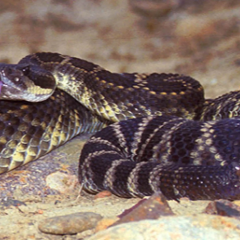
The study placed special emphasis on pygmy rattlesnakes, which show an unusually high susceptibility to fungal infections and the invasive lungworm Raillietiella orientalis (Ro). These snakes prey on frogs and lizards that act as carriers for parasites, which may explain their heightened vulnerability. Historically, pygmy rattlesnake populations have also suffered from human persecution, further compounding their survival challenges in the wild.
The spread of the Ro lungworm is linked to invasive species such as Burmese pythons and brown anoles, which may be exacerbating the problem. The lungworm was found primarily in Florida snakes, indicating the localized nature of this threat. Meanwhile, the snake fungal infection is rampant in Georgia, raising concerns among researchers and conservationists.
Overall, the study's findings highlight the complex health issues snakes face and the urgent need for ongoing monitoring and research as environmental threats intensify. This research could serve as a foundation for developing new conservation strategies for at-risk snake species and improving their ecological outlook in the United States. The relevance of these issues underscores the importance of preserving biodiversity and maintaining ecological balance in natural snake habitats.

Read also