Ancient Human DNA Discovered on Cave Walls Alongside Prehistoric Art

Findings from the First Art Project
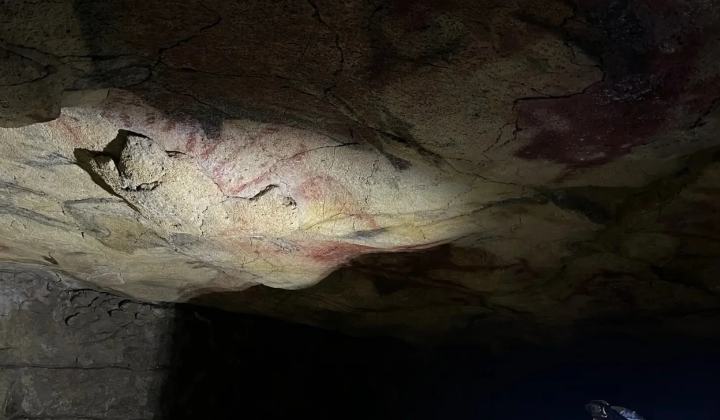
According to НВ — Техно: Researchers from Spain and Portugal, in collaboration with the Max Planck Institute for Evolutionary Anthropology, have uncovered evidence that human DNA can persist on cave walls for millennia. As part of the First Art project, they collected 54 samples from 11 caves. Only five of these yielded authentic ancient human mitochondrial DNA, opening up fresh avenues for investigating prehistoric human life.
Key Results
The study focused on 24 panels of rock art in caves such as Escoural, Covarona, and Altamira. The samples containing DNA included:
- a calcite crust with pigment from panel 11 in Escoural Cave;
- two unpigmented samples from the same cave;
- two samples from Covarona.
Notably, three of these samples came from females, one from a male, and one remained undetermined. The DNA from Covarona belongs to a genetic cluster of western hunter-gatherers, highlighting the diversity of ancient populations.
The analysis also revealed that two samples contained no faunal mitochondrial DNA, while three others showed both human and animal DNA. A test using an aerograph on bird bones from Altamira Cave did not detect any ancient human DNA.
“We know that some artworks were applied to cave walls by blowing or rubbing pigment onto the surface. Given the extreme sensitivity of modern ancient DNA analysis methods, we wanted to see if this type of contact could leave DNA traces in rock art, potentially allowing us to obtain genetic profiles from the artists.” - Hipólito Collado Giraldo
Alba Bossoms Mesa adds: “Although we cannot directly link the ancient human DNA traces we found to the creation of the cave paintings, this is the first evidence that human DNA can survive on cave walls for thousands of years.” This breakthrough may reshape ideas about where ancient DNA can be recovered, as the study showed that DNA can be extracted not only from pigmented samples but also from cave walls with no visible signs of past human activity.
Matthias Meyer notes: “We can now ask new questions: Who touched this wall? Was it a man or a woman? Which population group did they belong to? How far did ancient people venture into deep cave systems?” Discoveries in the Colombian Amazon, where images date back around 11,000 years, further underscore the deep history of human creativity.
Archaeologists have documented 496 handprints, 70% of which are adorned. Spiral patterns were found on 256 prints, and linear motifs on 84, showcasing the variety of ancient art. Most of the drawings are located at heights between 2 and 3 meters.
These findings underscore the importance of research in archaeology and anthropology, opening new horizons for understanding humanity’s past.
The study, conducted as part of the First Art project, demonstrates that ancient DNA can survive on cave walls over long periods, offering new opportunities for exploring human history. This discovery also highlights the diversity of ancient human populations and their interaction with the environment, as well as the significance of rock art in the cultural development of early humans.
This discovery of ancient human DNA on cave walls opens up intriguing parallels to other significant findings in prehistoric art. For instance, researchers recently decoded 11,000-year-old handprints found in caves, shedding light on the interactions between early humans and their environments. Such studies not only enhance our understanding of ancient cultures but also deepen our appreciation for the artistry that has survived through millennia.

Read also